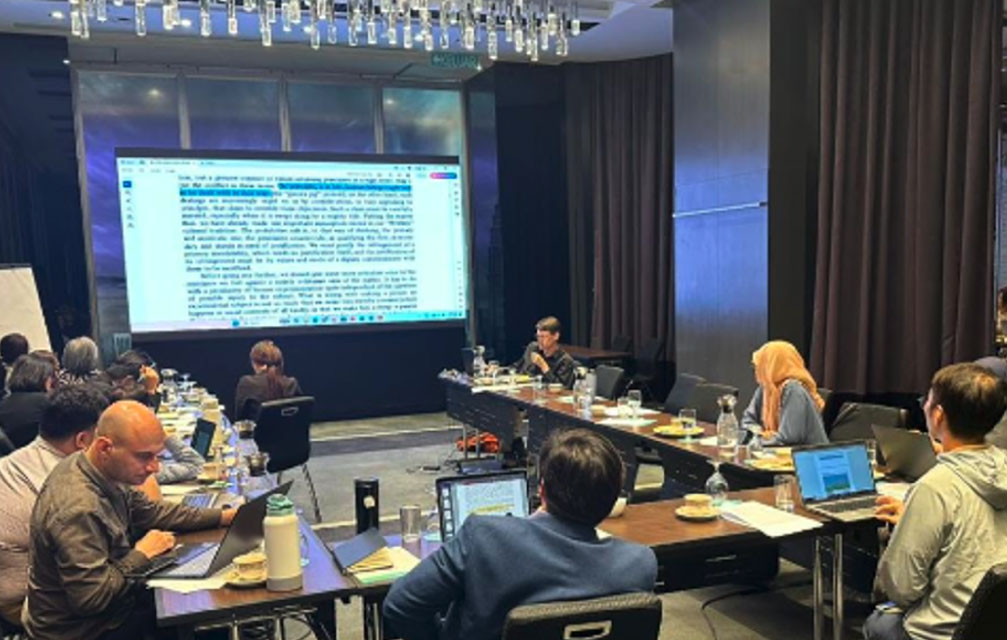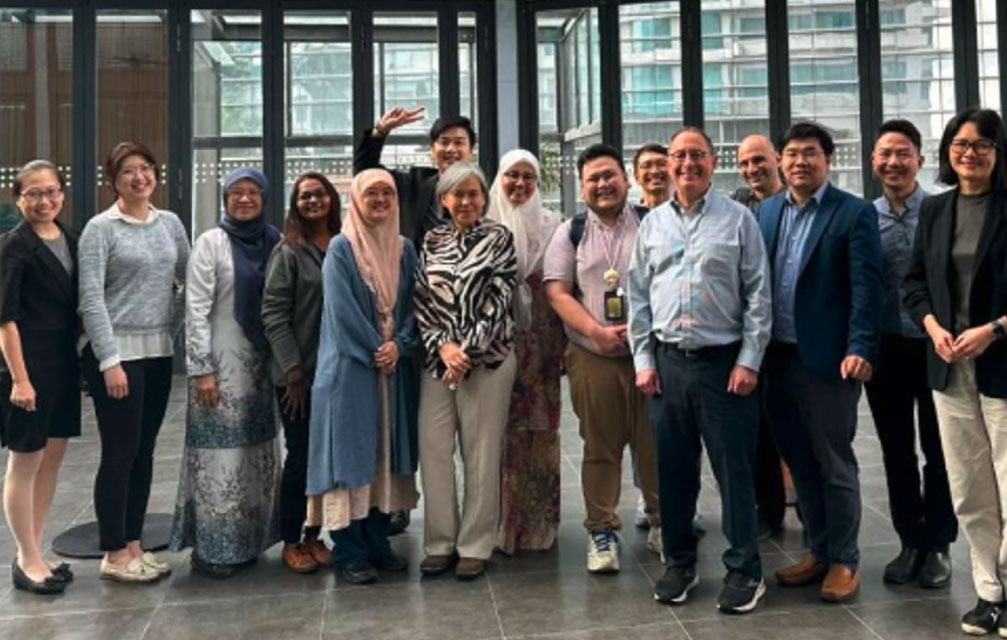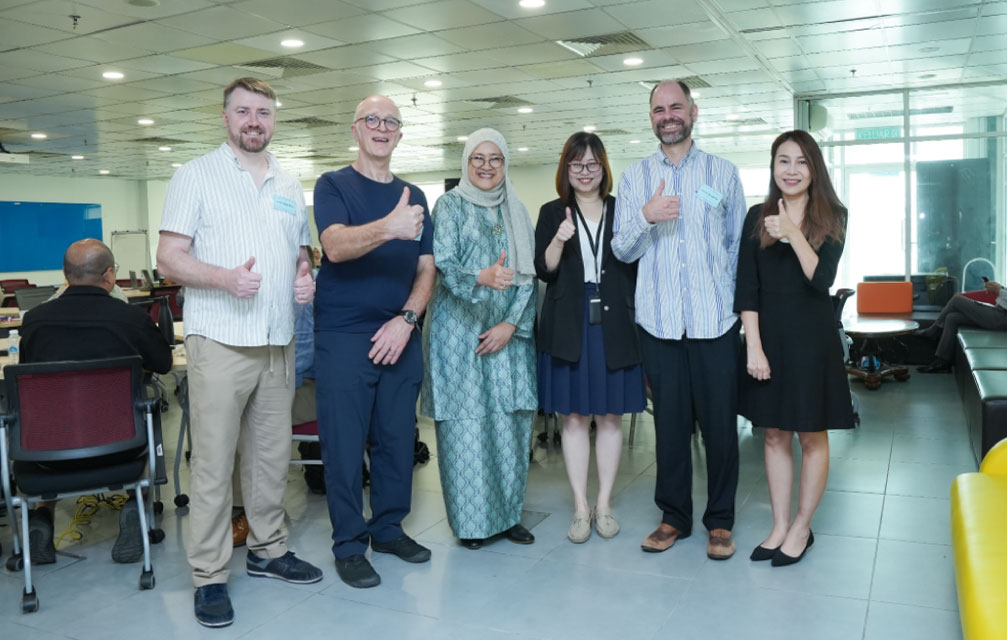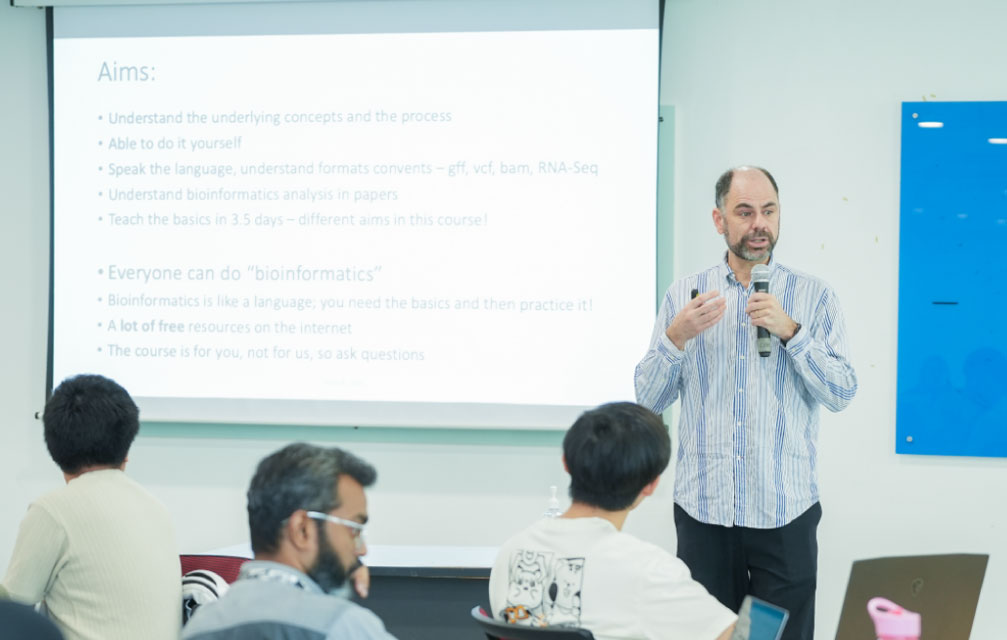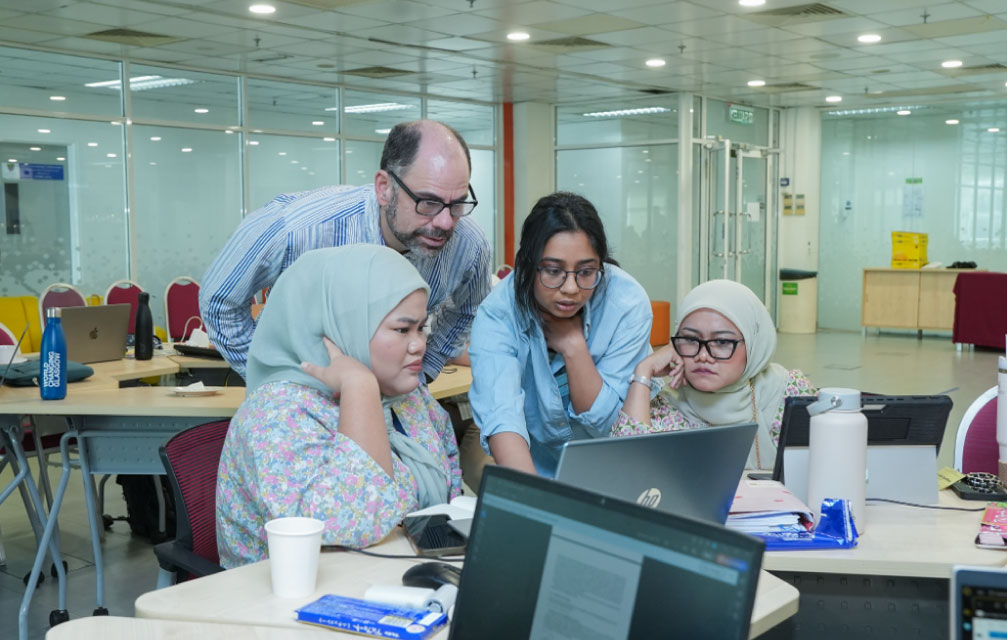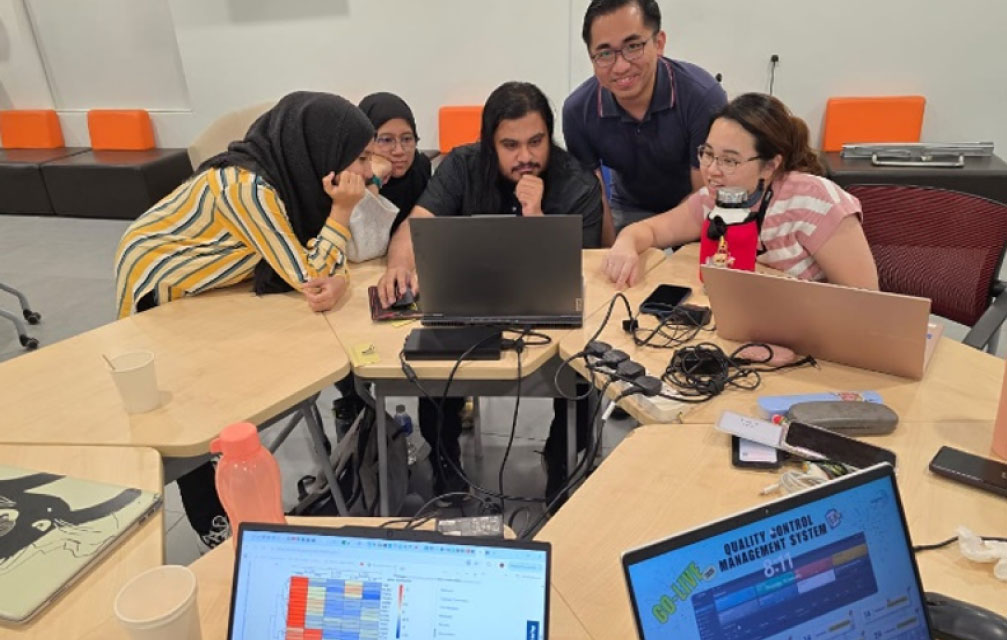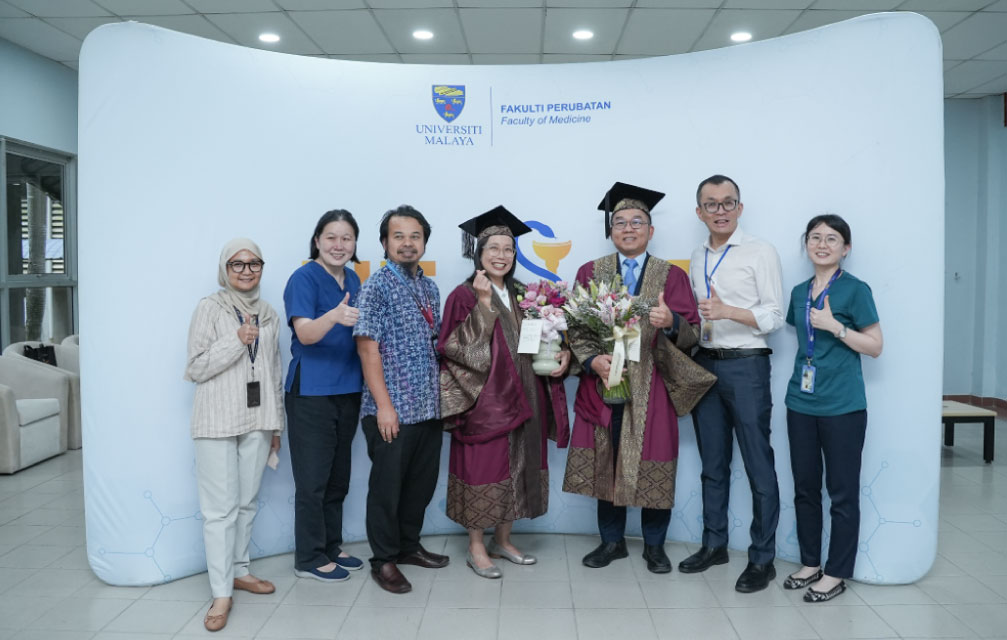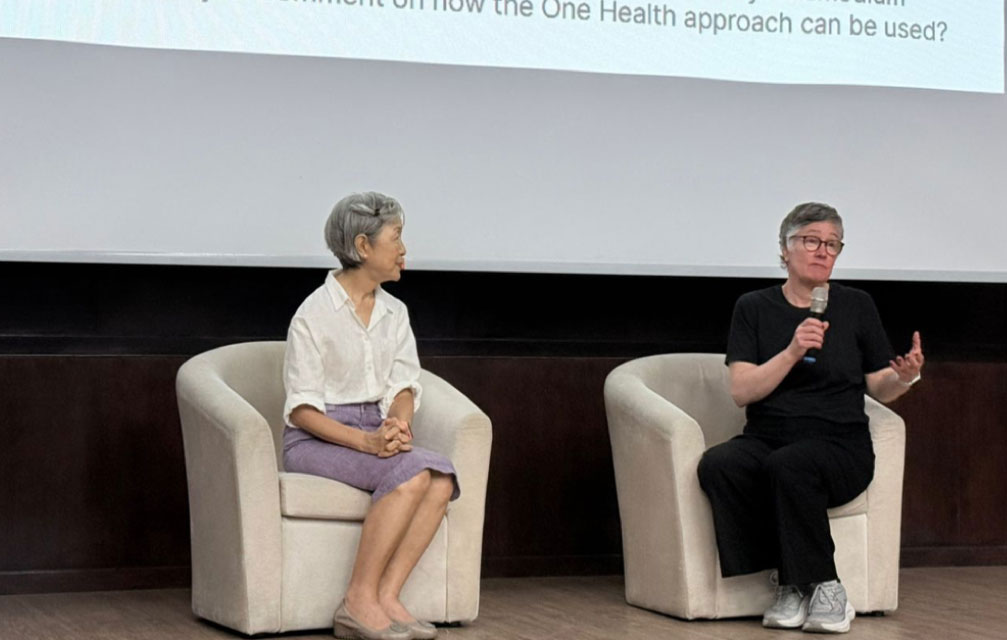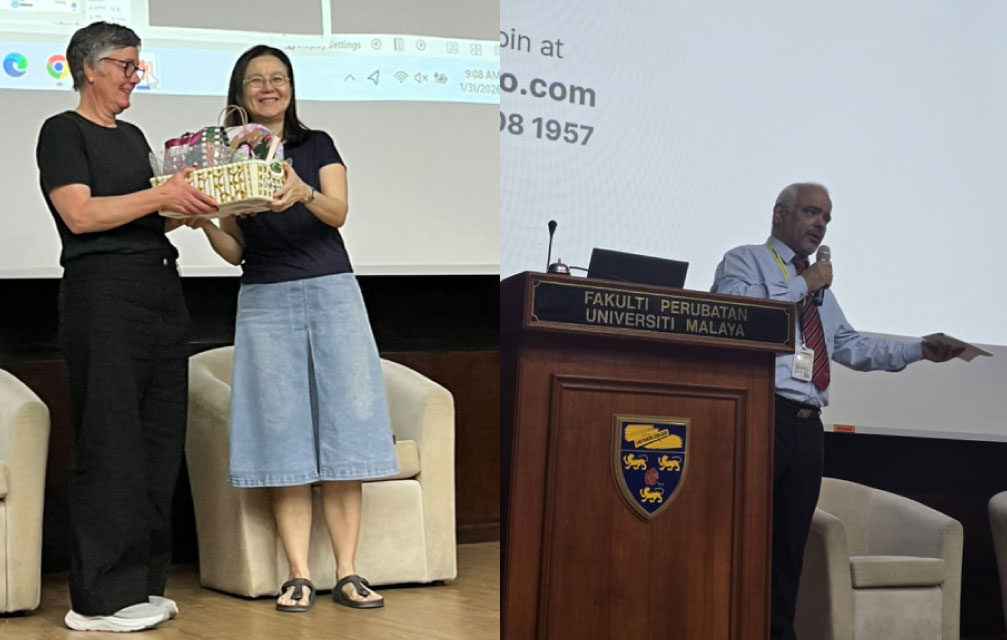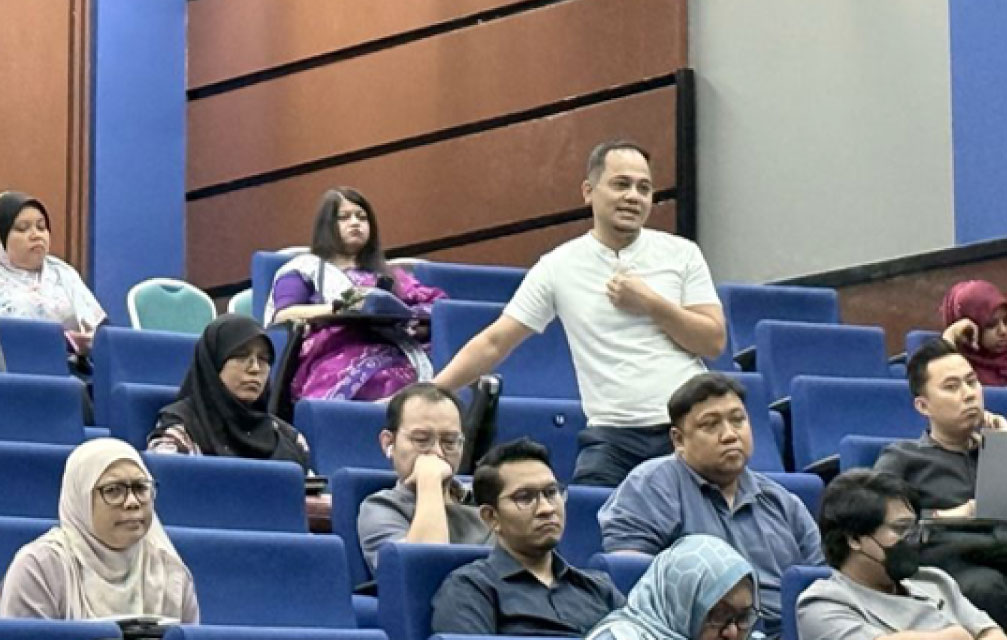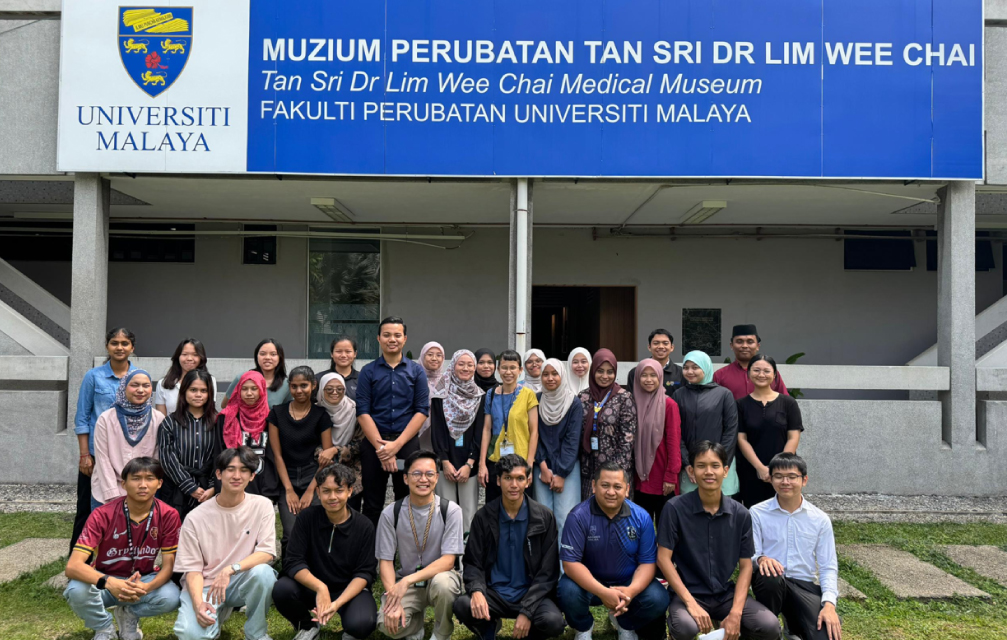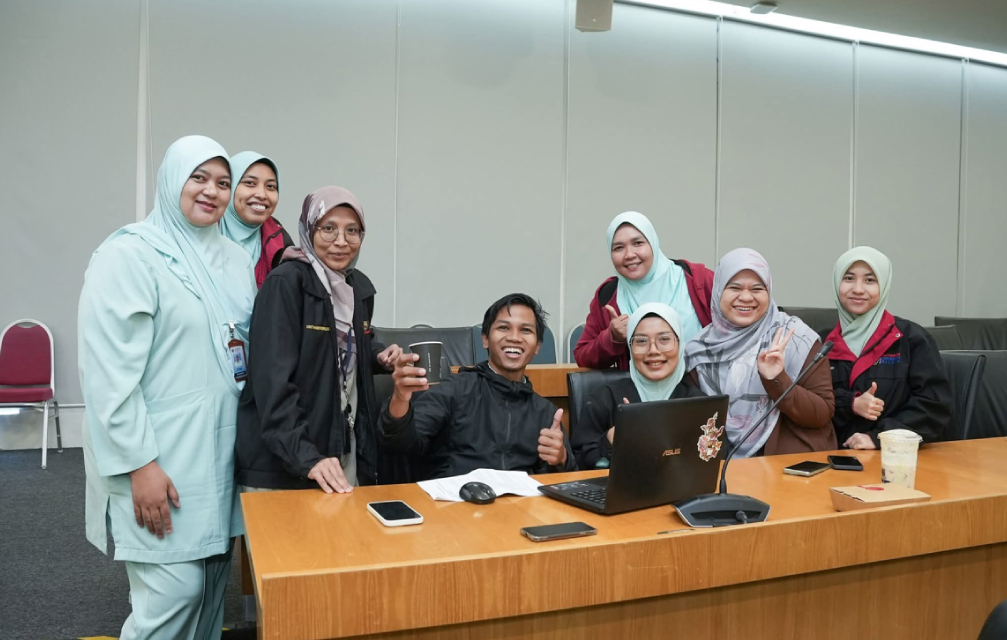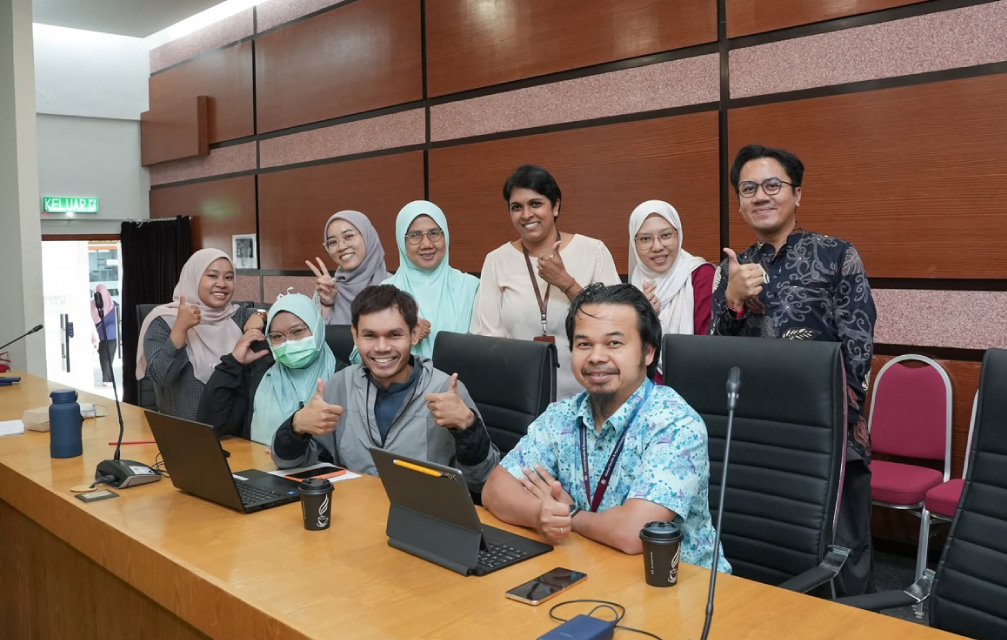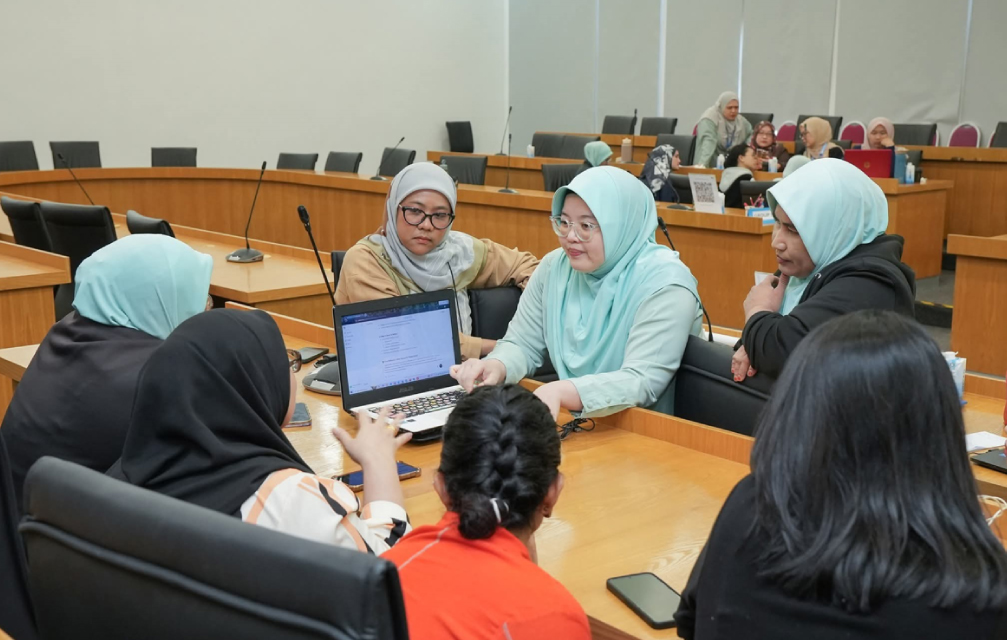


The Master of Health Research Ethics (MOHRE) program organized a Faculty Development Workshop (FDW) on 6 January 2026 as part of its continued commitment to strengthening research ethics capacity and enhancing the program’s quality in line with international standards. The workshop was designed to deepen the competency of those teaching in both the theoretical and applied dimensions of research ethics, with particular focus on the philosophical foundations that inform ethical decision-making. Rather than treating ethics as a set of procedural requirements, the workshop re-centred philosophy as an intellectual core of ethical reasoning in research. It also aimed to support curriculum enhancement, promote alignment with global benchmarks in research ethics education, and reinforce academic collaboration with international partners to warrant the academic robustness of the program.
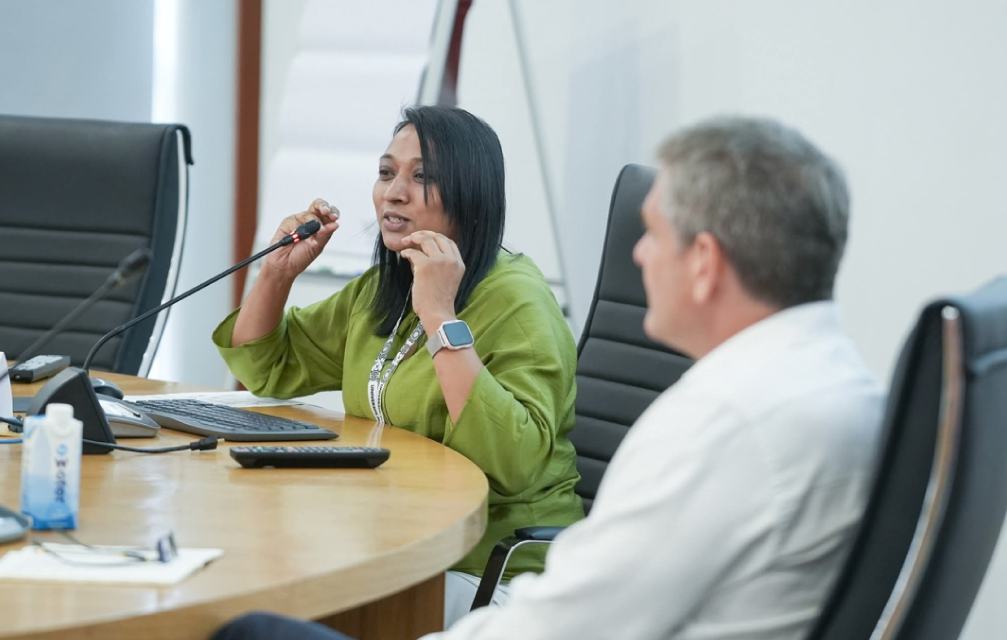
A total of 18 participants attended the workshop, comprising MOHRE’s interdisciplinary academic team, together with three international experts; Professor Dr Jeremy Sugarman from Johns Hopkins University (JHU), Assistant Professor Dr Owen Schaffer from National University of Singapore (NUS), and Professor Dr Cheah Phaik Yeong from University of Oxford (Oxford). The workshop featured sessions on “The Place of Philosophy in Bioethics Today”, “Critical Appraisal Techniques for Philosophical Papers in Research Ethics”. These sessions challenged participants to move beyond compliance-driven ethics and engage with deeper normative questions; ‘What makes a research practice justifiable? How do competing moral frameworks shape policy decisions? When should principle yield to context?’
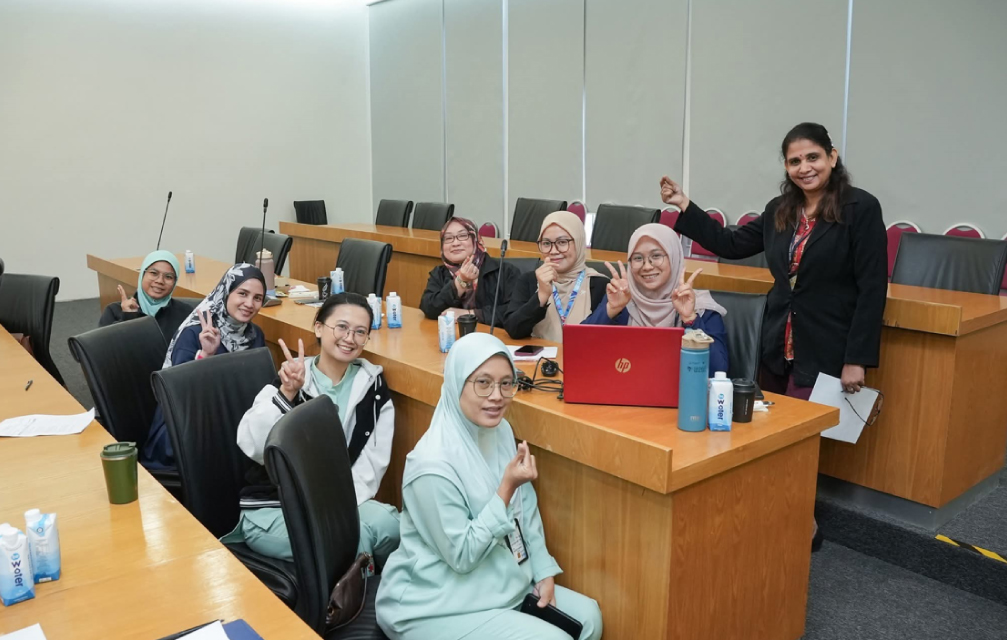
Interactive components such as case-based discussions, small-group deliberations, and reflective exercises encouraged critical engagement with complex ethical dilemmas and fostered robust intellectual exchange. The presence of international experts enriched comparative discussions and further strengthened institutional ties between UM, JHU, NUS, and Oxford. Participant feedback described the workshop as informative, well-organized, and valuable, with many noting that sustained philosophical engagement sharpened their analytical clarity and teaching confidence. Overall satisfaction was rated positively with participants expressing general satisfaction with the workshop.
As a whole, the workshop contributed to advancing the expertise of those teaching in the MOHRE program, enhancing pedagogical quality, and fostering sustained international collaboration. More importantly, it reaffirmed that philosophy is not peripheral to research ethics education. It is essential to cultivating reflective, critically grounded, and intellectually rigorous scholars. This initiative was supported by the United States (US), National Institutes of Health (NIH) International Grant, IF032-2023.
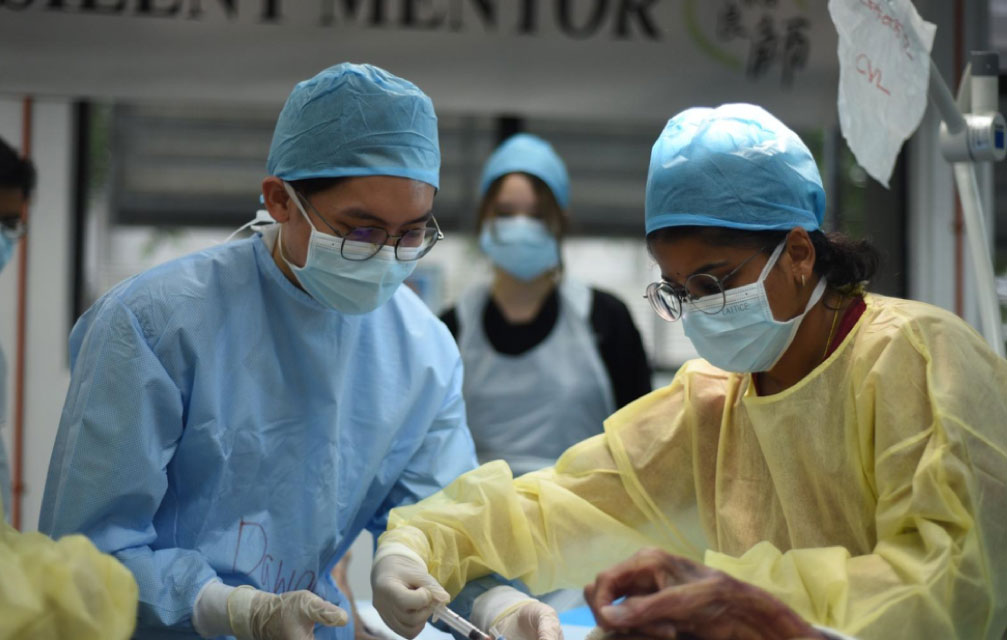
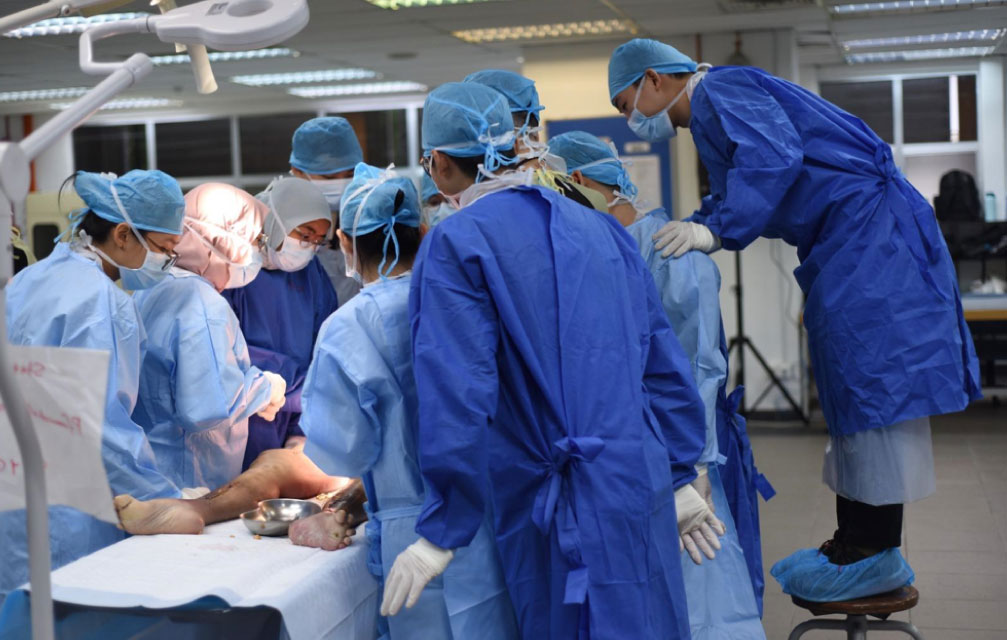
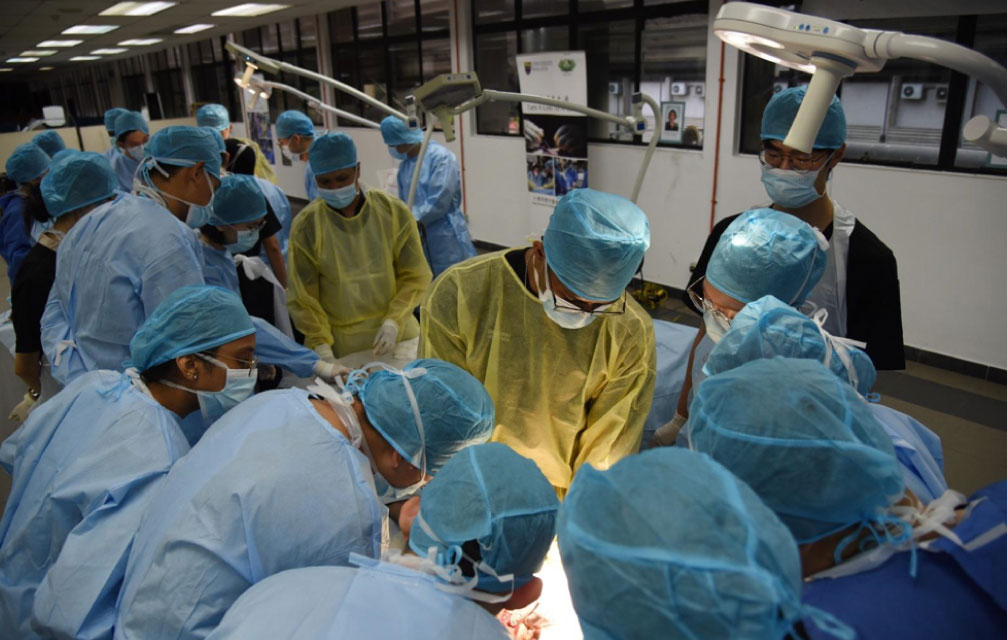
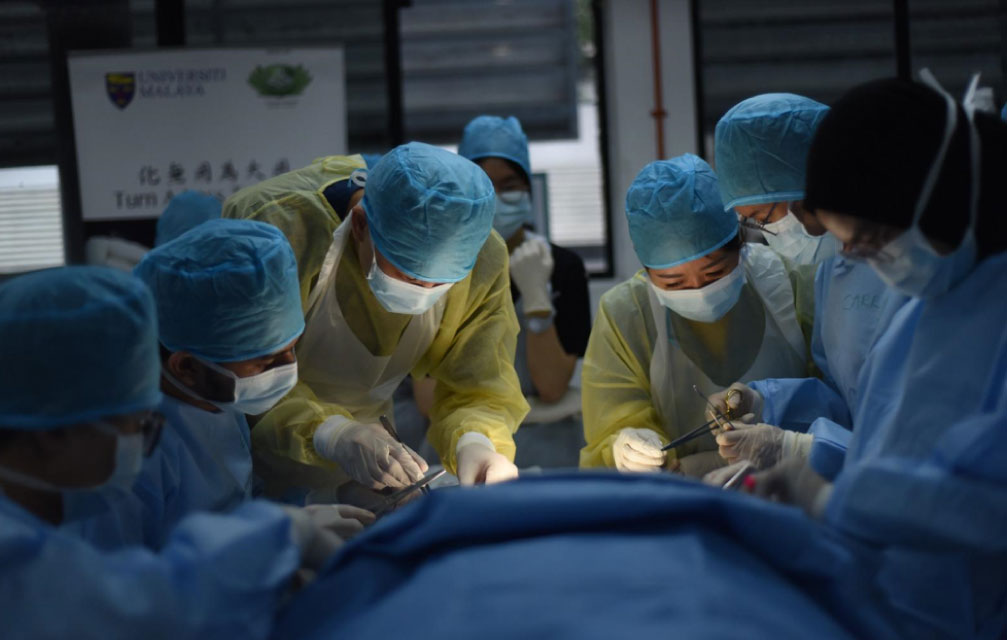
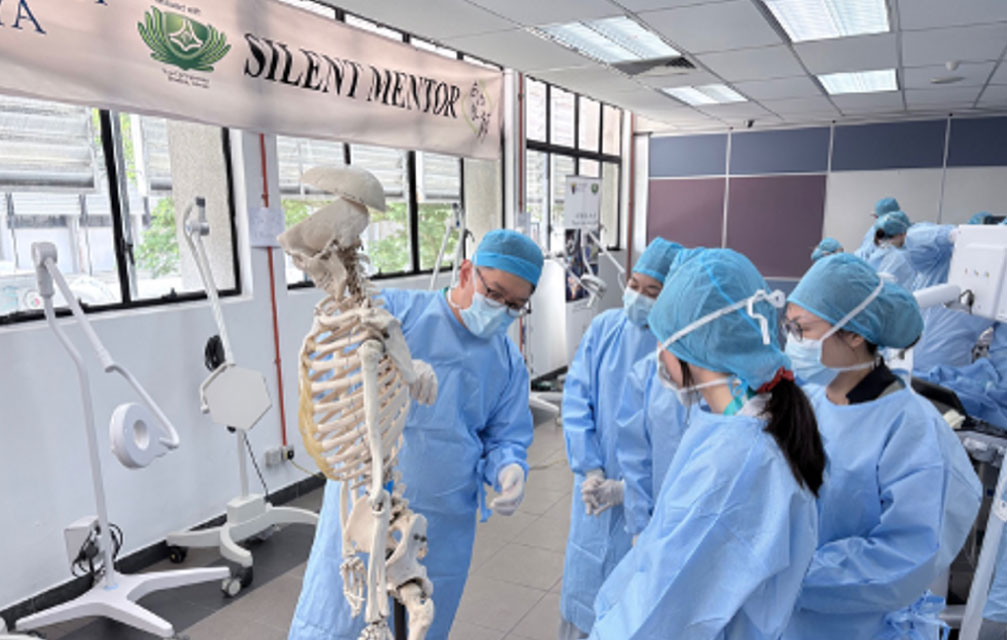
The Faculty of Medicine, Universiti Malaya, successfully conducted the 44th Silent Mentor Workshop from 6 to 11 January 2026, involving a total of 160 participants, comprising postgraduate trainees, undergraduate medical students, faculty members, and the families of Silent Mentors. The workshop included 27 faculty members and trainers, 75 postgraduate trainees, and 58 undergraduate medical students. Held at the Clinical Auditorium and the Anatomy Dissection Hall, the workshop aimed to cultivate ethical, compassionate, and professionally grounded medical practitioners by integrating technical training with respect for human dignity and altruism.
The program commenced on 6 January 2026 with a Silent Mentor interaction and sharing session conducted virtually, which sought to deepen participants’ understanding of the philosophy and values underpinning the Silent Mentor Program. This was followed by an initiation ceremony at the Anatomy Dissection Hall, incorporating multi-faith chanting by Buddhist and Christian reverends, a final viewing by family members, and a silent prayer. These elements symbolised gratitude and respect toward the Silent Mentors while formally initiating the hands-on training sessions.
From 7 to 10 January 2026, the workshop featured discipline-specific training sessions in Oral and Maxillofacial Surgery, Otorhinolaryngology, Cardiothoracic Surgery, and Anaesthesiology, alongside evening sessions for undergraduate medical students. All sessions were conducted with the objective of enhancing clinical competence while instilling professionalism, humility, and empathy, with each session initiated by an introduction to the Silent Mentor Program and a moment of silent prayer. The practical component concluded with the suturing, dressing, and coffining of the Silent Mentors, reinforcing ethical responsibility and respectful conduct in clinical practice.
The workshop culminated on 11 January 2026 with the Ceremony of Gratitude and Sending-Off for Cremation, during which representatives from each discipline expressed appreciation and family members paid their final respects. Overall, the 44th Silent Mentor Workshop successfully fulfilled its objectives of fostering technical excellence, ethical awareness, and humanistic values among future healthcare professionals, reaffirming the Faculty of Medicine’s commitment to holistic and values-based medical education.
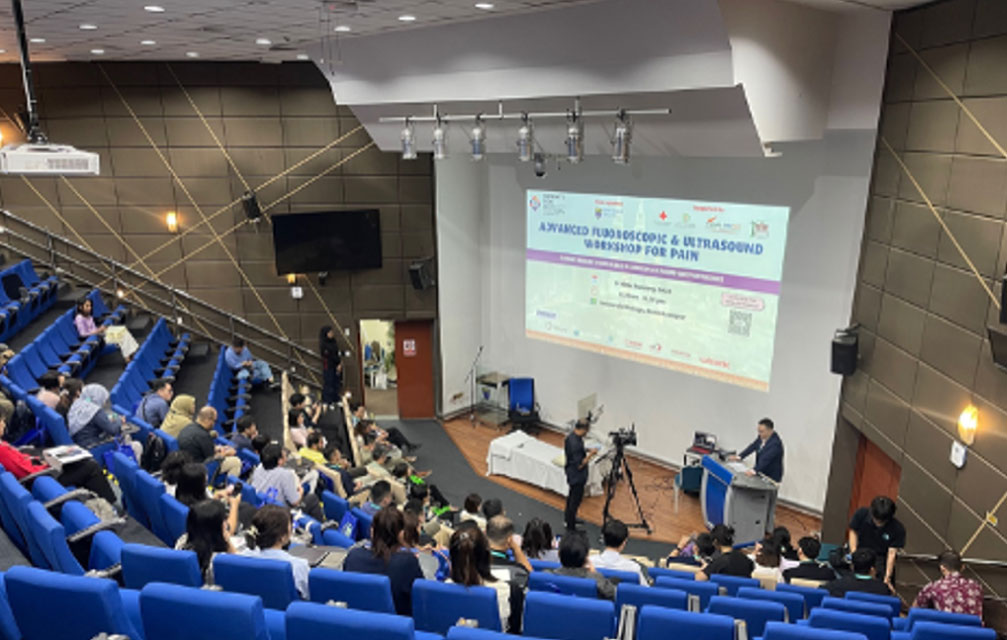
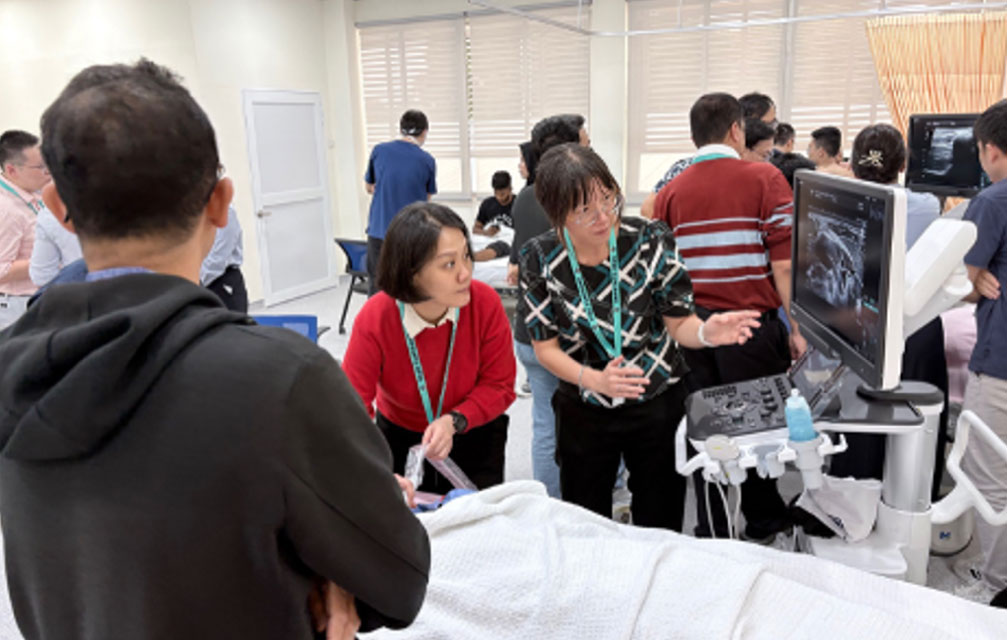
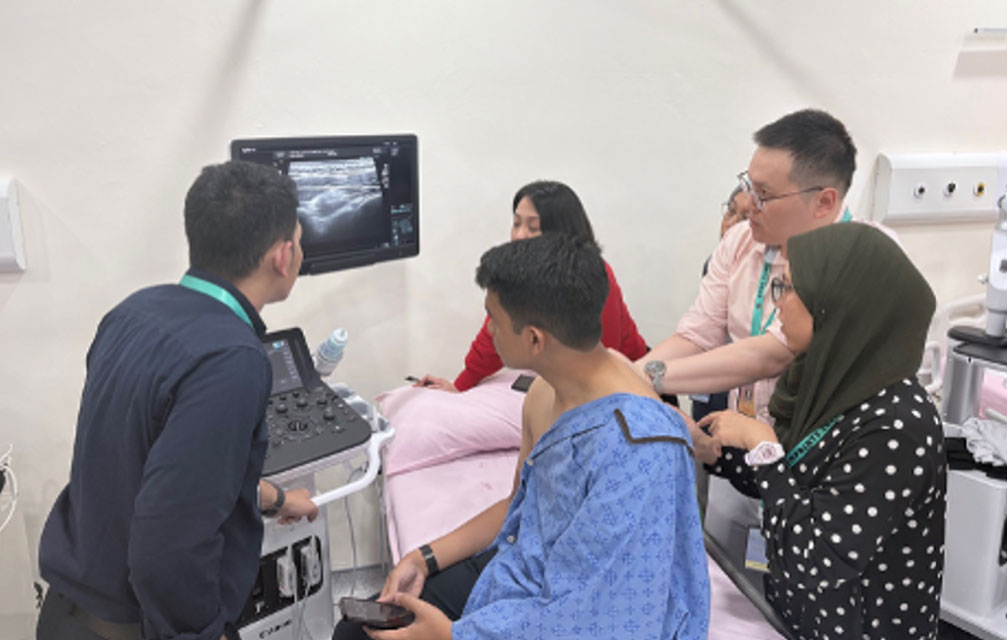
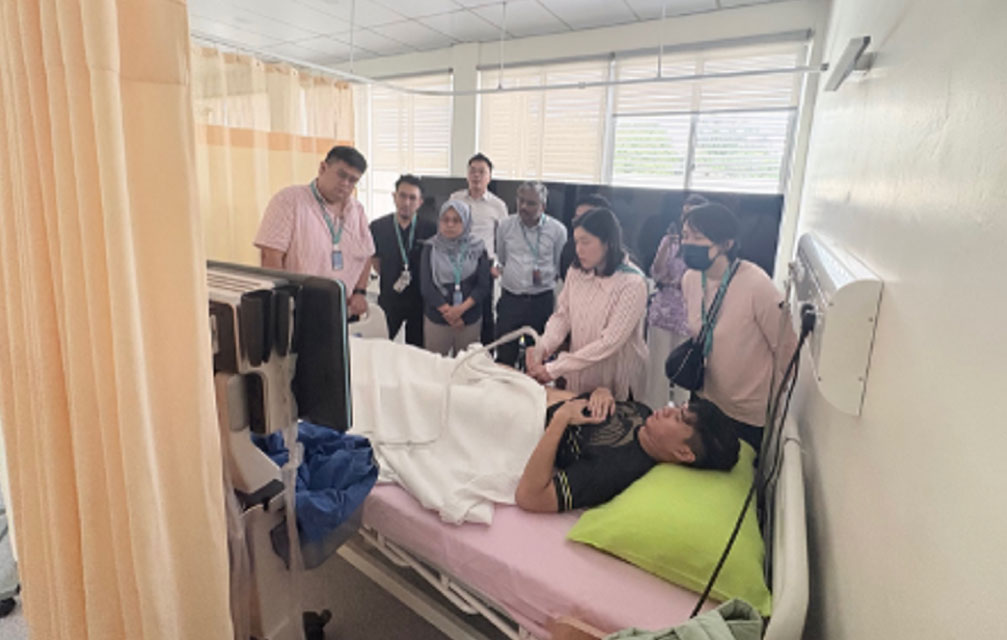
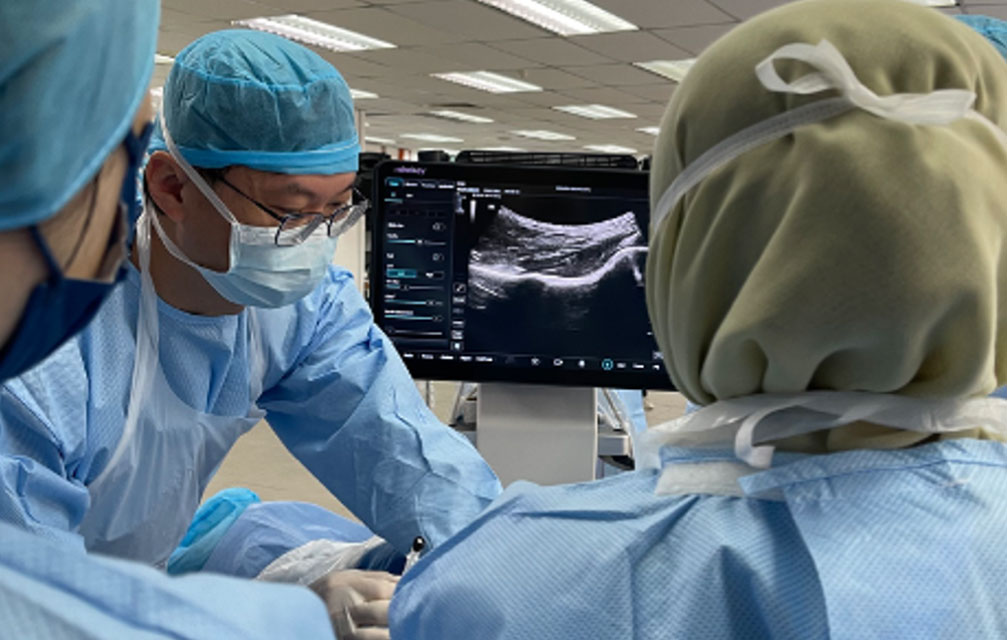
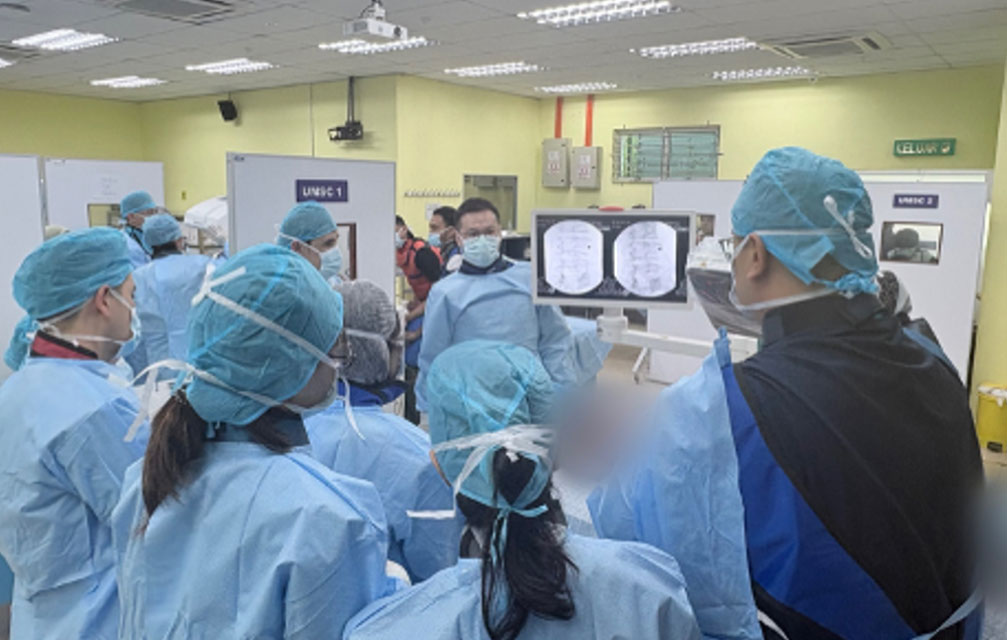
The IMPRINTS (Interventional Multidisciplinary Pain & Regional Techniques Symposium) Workshop 2026 was successfully conducted from the 9th - 10th January 2026, bringing together clinicians, trainees, and faculty members from all over Asia with a shared interest in advancing contemporary pain management practices.
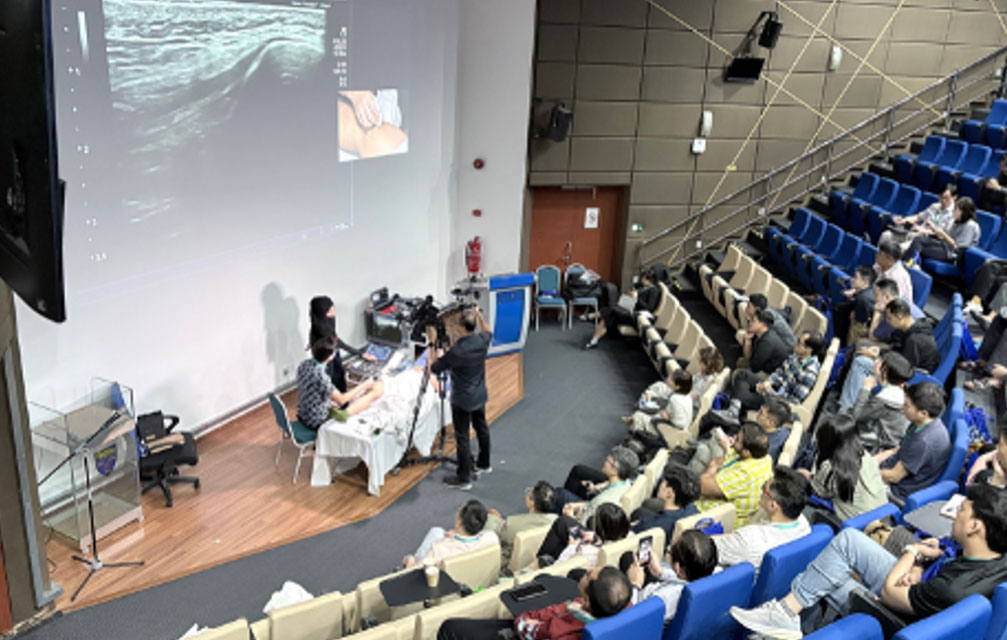
Organised as an intensive hands-on educational programme, the workshop focused on evidence-based interventional pain techniques, with particular emphasis on ultrasound- and fluoroscopy-guided procedures. The programme was designed to bridge theory and practice, equipping participants with practical skills that are directly transferable to clinical settings.
The workshop featured a structured blend of live demonstration master class featuring world renowned Professor Philip Peng (University of Toronto, Canada), together with supervised hands-on stations and cadaveric sessions. This allowed participants to consolidate their anatomical knowledge, refine procedural techniques, and gain confidence in image-guided interventions. Key topics included commonly performed musculoskeletal pain procedures, spine-related interventions, and the integration of interventional pain techniques into multimodal pain management strategies.
One of the highlights of IMPRINTS was the strong faculty–participant interaction, fostering an open learning environment where clinical challenges, real-world scenarios, and management of complications were actively discussed. The multidisciplinary nature of the workshop also encouraged cross-specialty dialogue, reinforcing the importance of collaborative care in pain medicine.
The successful execution of the workshop reflects the Faculty of Medicine’s continued commitment to high-quality medical education, skills-based training, and professional development. Feedback from participants was overwhelmingly positive, with many highlighting the value of the hands-on components, faculty mentorship, and the relevance of the content to daily clinical practice.
IMPRINTS 2026 marks another important step in strengthening training pathways in interventional pain management and underscores the Faculty’s role in supporting lifelong learning and clinical excellence. The organising committee extends its sincere appreciation to the faculty members, facilitators, sponsors, and participants whose contributions made the workshop a meaningful and impactful learning experience.
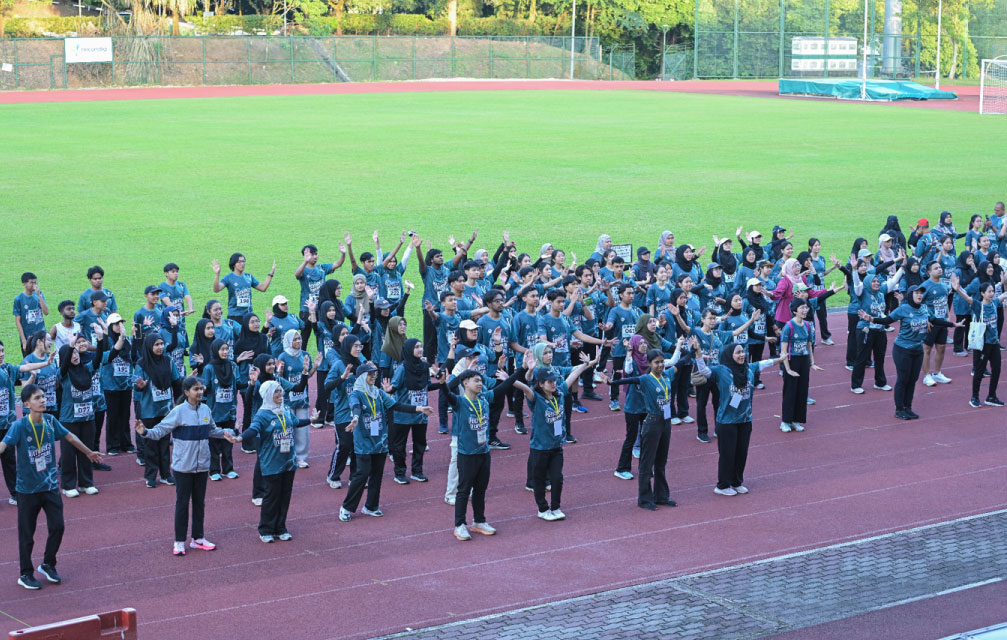
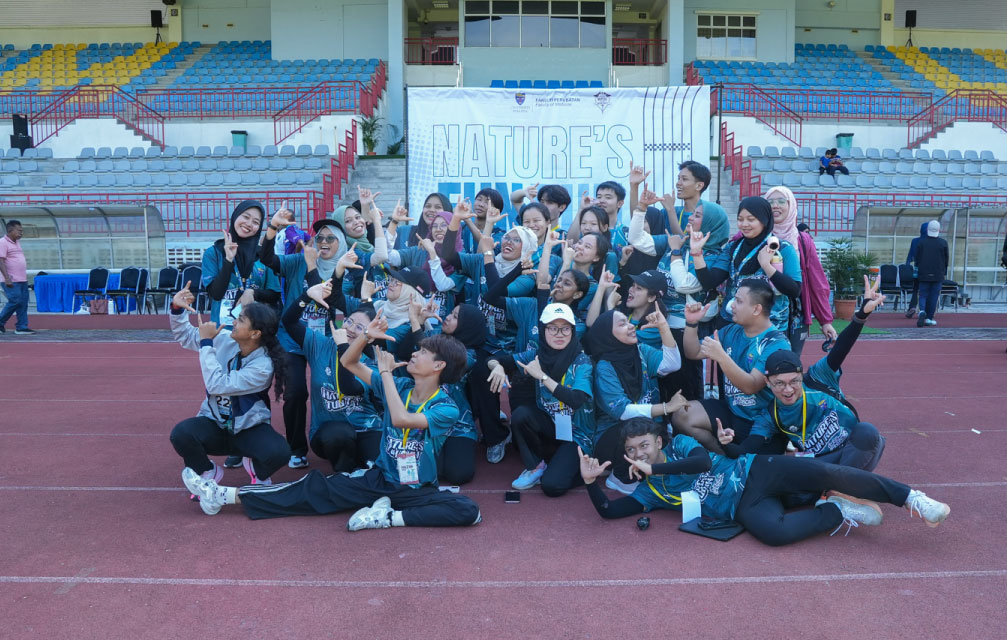
The morning of January 10th, 2026, began as a testament to the vision of the Nursing Society (NURSOC), as the UM Arena transformed into a vibrant hub of energy and environmental purpose. Guided by the theme, "Embrace the Nature, Shine for the Future, Stride to Sustainability," the event was designed to prove that personal wellness and ecological stewardship are inseparable journeys. From the very first moments of the gathering, the atmosphere was defined by the tagline "Run in Harmony, Live in Sustainability," fostering a shared sense of responsibility toward both physical health and the health of the planet. This initiative served as a powerful platform for nursing students to demonstrate their professional pride, utilizing the run to promote healthy lifestyles while showcasing sustainable event practices like waste reduction and eco-friendly logistics.
The operational flow of the day was a seamless narrative of community engagement that began at 0630H with the arrival of participants for registration and a shared breakfast. As the sun rose, the program transitioned into a period of spiritual and physical preparation, featuring a doa recitation and a detailed briefing on the 5KM route. To ignite the energy of the crowd, a spirited aerobics session was held before runners gathered at the starting line led by Associate Prof. Dr. Mohd Nahar Azmi bin Mohamed, Consultant Sports Physician, for about 20 minutes.
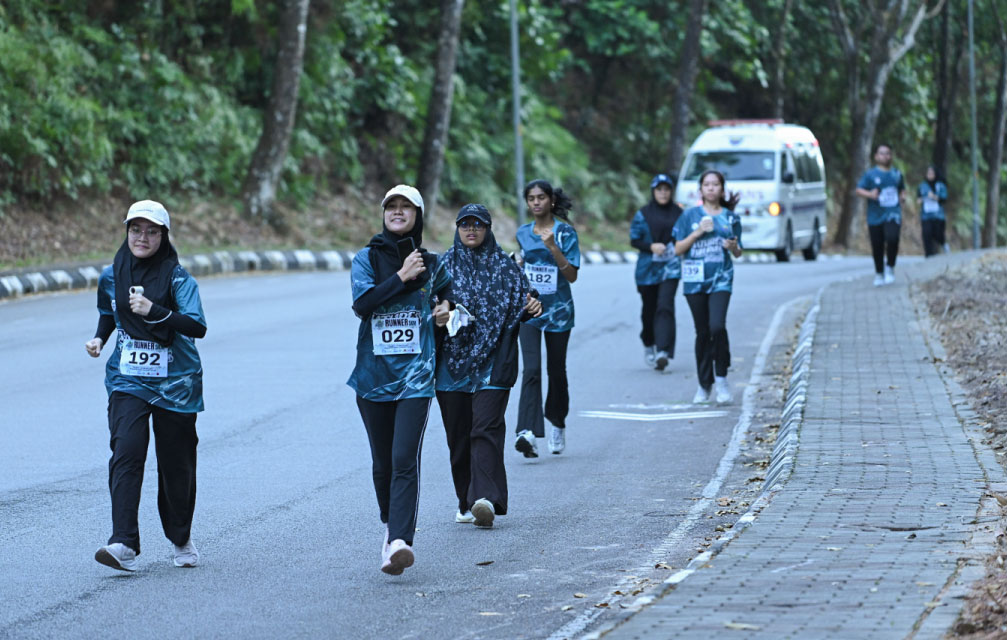
At 0740H, the run was officially flagged off by Dr. Lee Wan Ling, the Head of the Department of Nursing, together with the Director of the 5KM Nature’s Fun Run, Alia Izzati. The fun run took participants through a scenic route that wound past the Faculty of Science and several residential colleges, completing a total distance of 5 km around Universiti Malaya and allowing participants to experience nature in harmony. During the run, two water stations were provided, serving 100 Plus and mineral water to ensure that participants remained adequately hydrated. By 0930H, the participants finished their journey at the UM Arena, where they gathered to rest and allowed them to truly experience nature as they strode toward the finish line.
As the physical challenge concluded, the event moved into its formal celebratory phase with the arrival of the Guest of Honor, Dr. Lee Wan Ling, the Head of the Department of Nursing. The ceremony was steeped in university pride, marked by the singing of the national anthem "Negaraku" and the Universiti Malaya song, followed by an inspiring speech. After the speech, the ceremony proceeded with a gimmick led by the Head of the Nursing Science Department, Dr. Lee Wan Ling. The gimmick involved transferring a young plant from a poly bag into a pot, followed by watering the plant as an eco-friendly symbolic gesture. The final hour of the program was filled with excitement as the lucky draw and closing ceremony took place, officially concluding the event by 1030H. Throughout this execution, the small committee demonstrated remarkable resilience, with each member performing their role with excellence to ensure the event exceeded expectations. This success was made possible through early preparation beginning in August 2025, strategic coordination within the team, and their ability to navigate significant operational challenges.
Ultimately, the 5KM Nature’s Fun Run stood as a successful promotion of a healthy lifestyle and environmental sustainability. Despite facing limited manpower and financial hurdles, the program provided invaluable experience in event management and strengthened the teamwork of the Nursing Society. This celebration of wellness and nature has laid a solid foundation for the society to lead even more impactful and improved student events in the future.
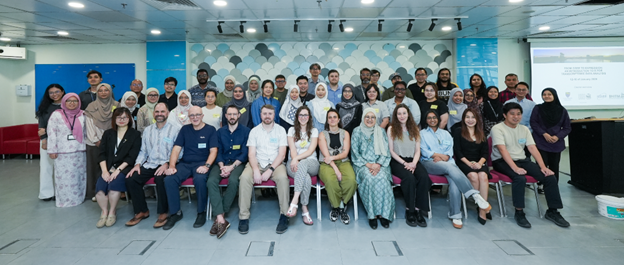
The workshop “From Code to Expression: An Introduction to R for Transcriptomic Data Analysis” was successfully conducted from 12–16 January 2026 at The Cube, Faculty of Medicine, Universiti Malaya. The programme was organised by the Department of Parasitology, with co-organisation from the University of Glasgow, UK; London School of Hygiene and Tropical Medicine (LSHTM), UK and the Malaysian Society for Molecular Biology & Biotechnology (MSMBB), Malaysia.
This workshop formed part of the collaborative activities under the Wellcome Discovery Award granted in 2023, involving Prof. Dr. Lau Yee Ling (Universiti Malaya), Prof. Dr. Andy Waters (University of Glasgow), and Prof. Dr. Robert Moon (LSHTM). It represents a meaningful initiative in technology transfer between the UK and Malaysia, bringing together international expertise to strengthen local capacity in transcriptomic data analysis.
Designed as an intensive five-day programme, the workshop aimed to introduce participants to the fundamentals of transcriptomics and R programming, while equipping them with the skills to interpret, analyse, and present transcriptomic data effectively. A strong emphasis was placed on hands-on training, reproducible research workflows, and best practices in transcriptomic analysis to support robust and impactful scientific research.
The programme commenced with an opening ceremony by Prof. Dr. Noran Naqiah Mohd Hairi, the Deputy Dean of Research, Faculty of Medicine, UM, warmly welcoming participants and marking the start of an engaging and intellectually stimulating workshop. The workshop was led by the main trainer, Professor Dr. Thomas Otto from the Bernhard Nocht Institute for Tropical Medicine, Germany, with facilitators from the University of Glasgow and LSHTM, as well as seven local facilitators from Universiti Malaya, Universiti Teknologi MARA (UiTM), and Universiti Malaysia Sarawak (UNIMAS). Their guidance has ensured that participants receive comprehensive support throughout the workshop.
A total of 31 participants were registered, comprising participants from Universiti Malaya, IMU University, Universiti Malaysia Kelantan, Universiti Kebangsaan Malaysia, UiTM, UNIMAS, Nagasaki University (Japan), King Saud University (Saudi Arabia), and the private sector, highlighting the wide interest and relevance of this programme.
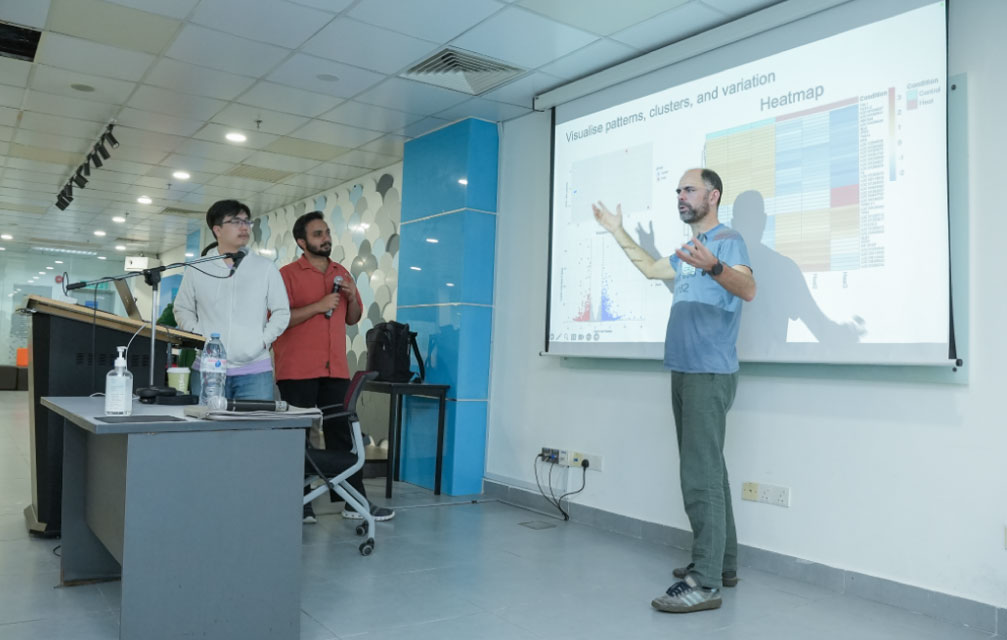
The workshop covered a comprehensive range of topics, including Introduction to R, Advanced R - DESeq2, enrichment analysis - visualisation in R, single-cell transcriptomics, day-to-day bioinformatics workflows, and spatial biology. To enhance learning outcomes, participants were divided into small groups for a group-based task, with each group presenting their findings on the final day.
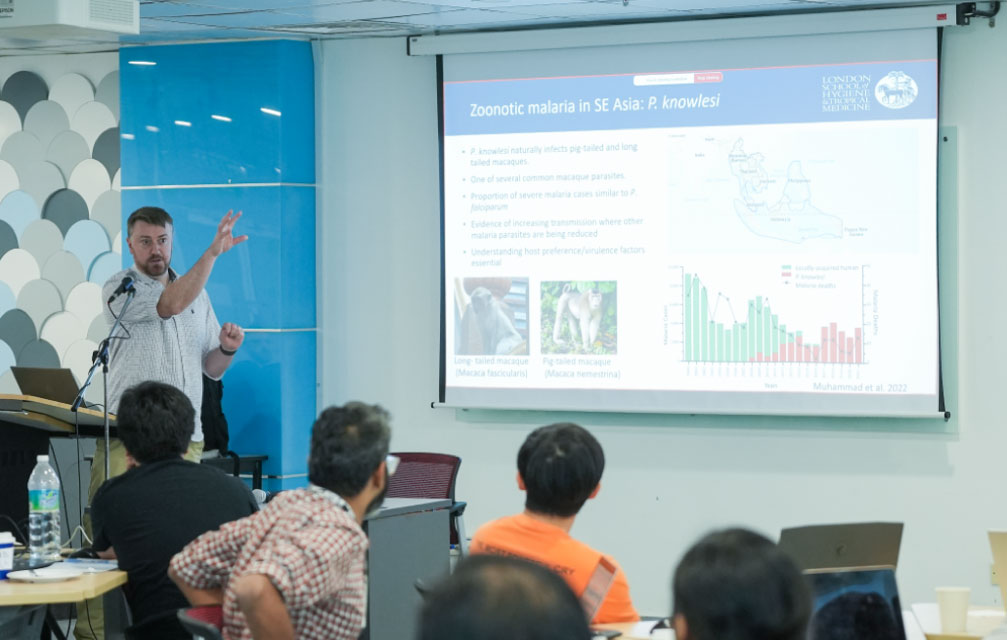
As part of the programme, Professor Dr. Andy Waters and Professor Dr. Robert Moon delivered their invited talks. Their presentations highlighted molecular investigations of gametocytogenesis in malaria parasites and transmission blockade, as well as the use of zoonotic malaria to study erythrocyte invasion and inform vaccine development, offering participants broader perspectives beyond transcriptomic approaches.
The programme drew to a graceful conclusion with a closing ceremony by the Head of Department of Parasitology, Prof. Dr. Lau Yee Ling, who expressed her gratitude to the chairperson of the workshop, Dr. Cheong Fei Wen, and her team. Most of the participants experienced a significant improvement in their understanding of transcriptomic analysis and gained essential bioinformatics skills. The workshop content met participants’ expectations, and many expressed confidence in applying the skills acquired in their future research. Overall, participants reported a high level of satisfaction and expressed strong interest in attending future workshops in this series.
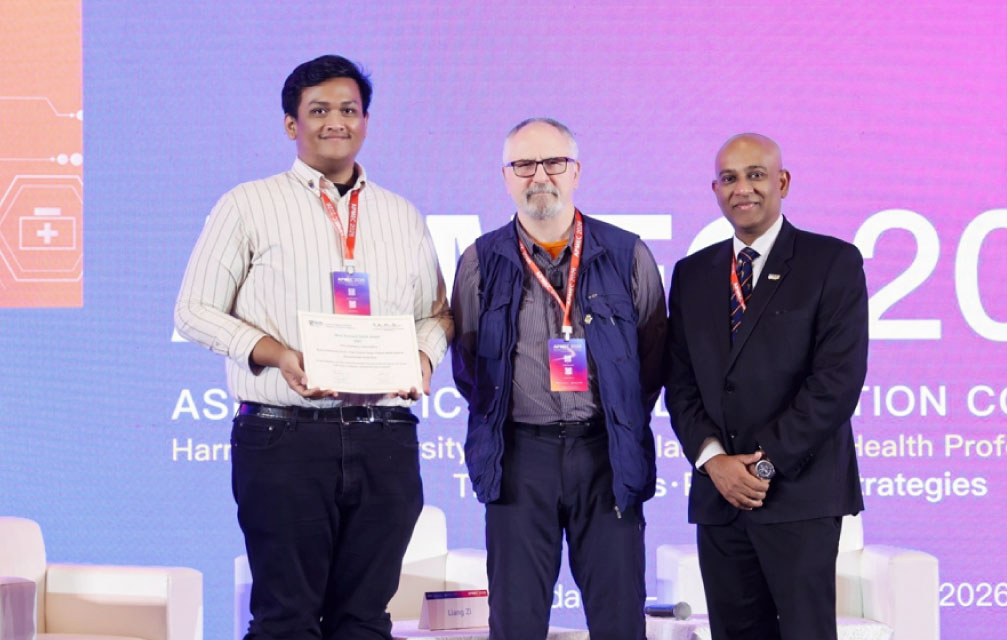
The Faculty of Medicine, Universiti Malaya congratulates Assoc. Prof. Dr Reshma Mohamed Ansari, Assoc. Prof. Dr Foong Chan Choong, Assoc. Prof. Dr Hidayah Mohd Fadzil and Mr Nabil Noor on receiving the Most Accessed Article Award (2025) from the Asia-Pacific Scholar Journal (ESCI, Q4). The award was presented at the Asia Pacific Medical Education Conference (APMEC) 2026 held in Yiwu, China.
The award recognises their article titled “Analyses of Self-Care Agency and Mindset: A Pilot Study on Malaysian Undergraduate Medical Students,” which has attracted significant readership and interest within the regional medical education community.
This achievement reflects the Faculty’s continued commitment to advancing medical education research and strengthening scholarly impact in the Asia-Pacific region. Congratulations to the team on this well-deserved recognition.
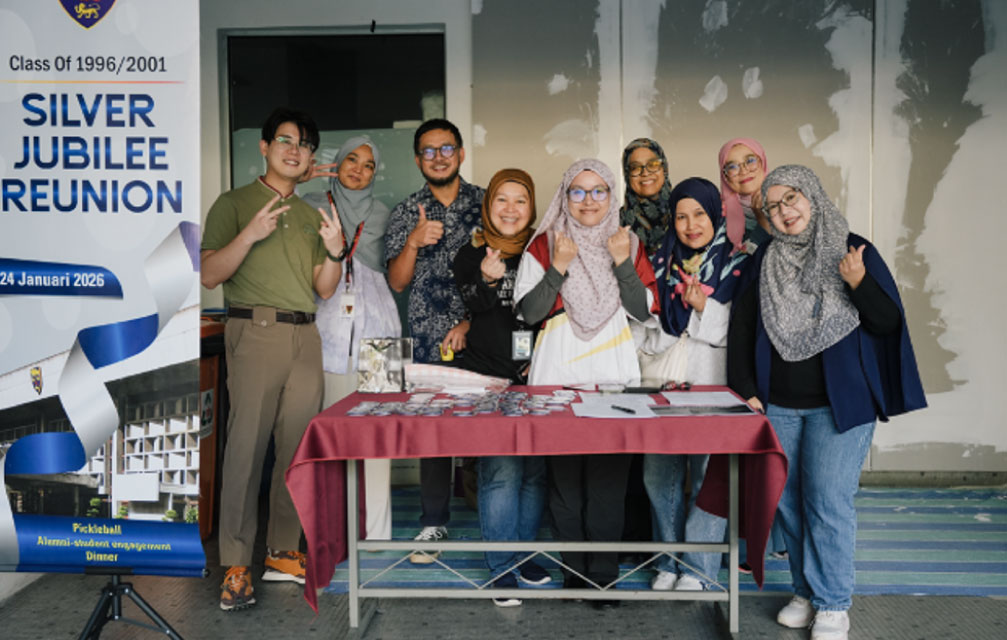
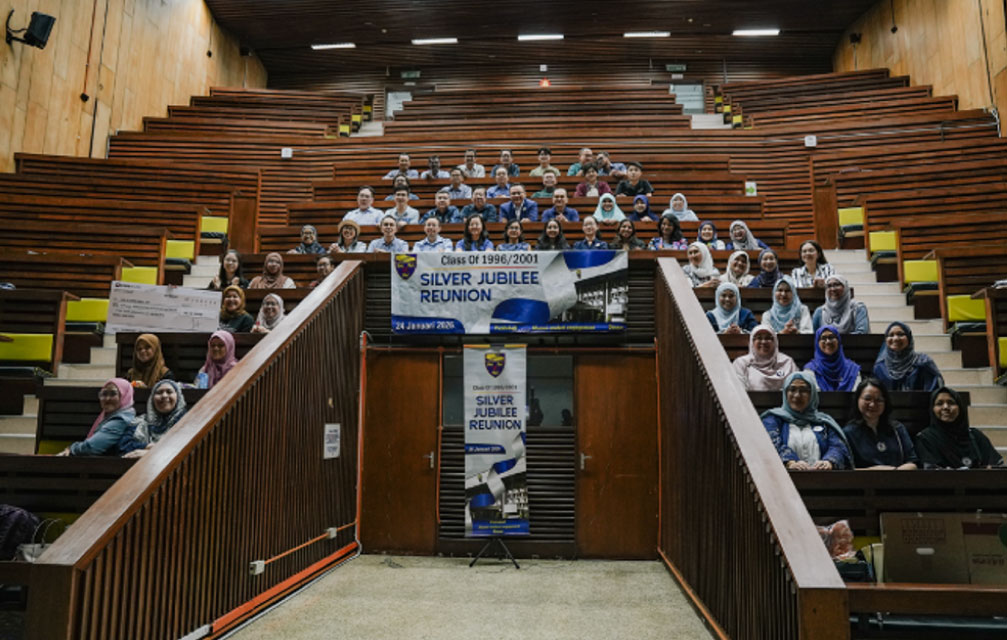
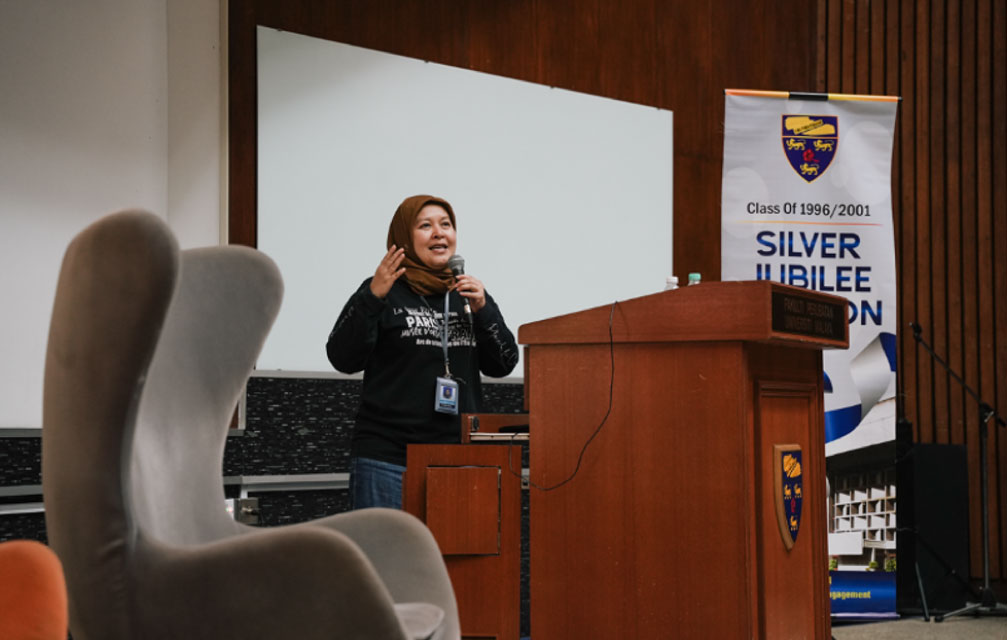
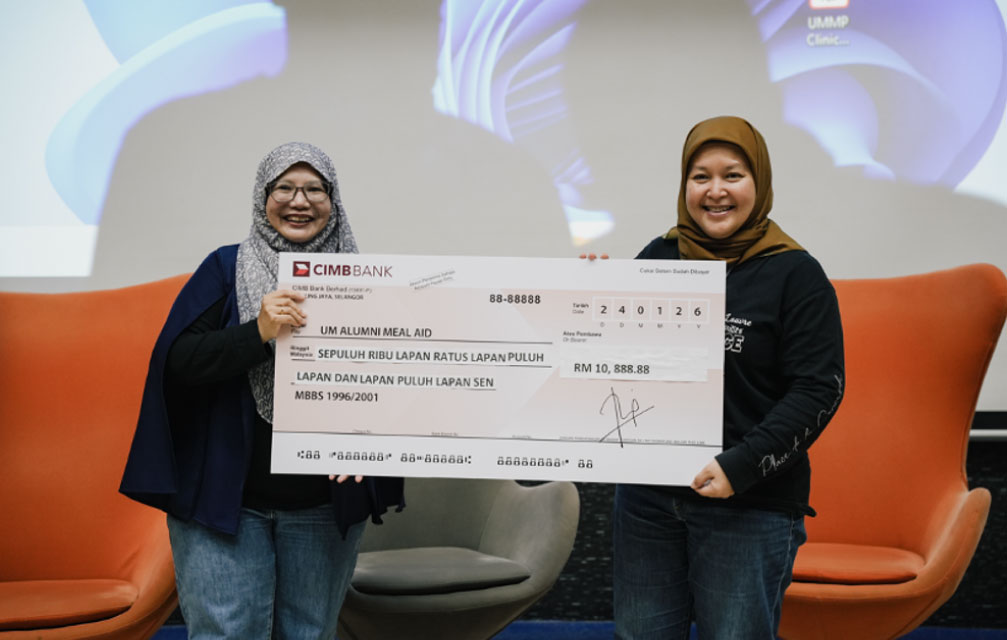
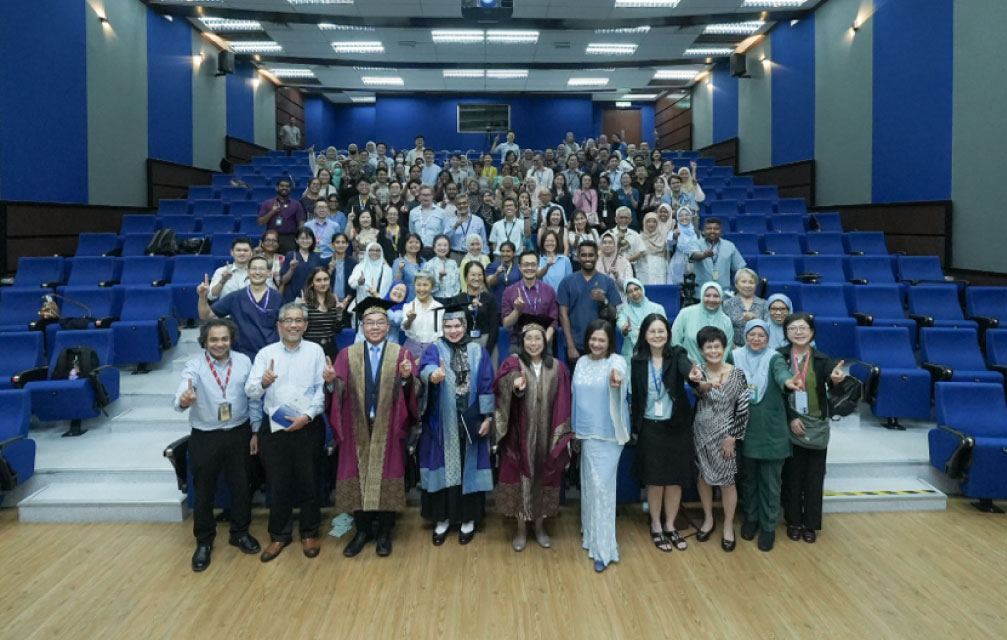
The Faculty of Medicine successfully hosted the Silver Jubilee Reunion and Students–Alumni Engagement Forum on Saturday, 24 January 2026, at Dewan Kuliah 2 (DK2) and The Cube. The event brought together 100 participants, comprising alumni from the MBBS Class of 1996/2001 and current medical students, in a meaningful gathering that celebrated shared histories, professional growth, and enduring connections. With free registration offered, the forum reflected the faculty’s strong commitment to fostering inclusive alumni–student engagement.
The forum was structured to reconnect alumni with their alma mater while providing current students with valuable exposure to real-world medical careers beyond the formal curriculum. The program commenced with registration and welcoming remarks by alumni representatives, followed by a speech delivered by an alumnus, setting a reflective and inspirational tone for the morning. A group photograph session captured the spirit of reunion before participants moved into the main forum segment.
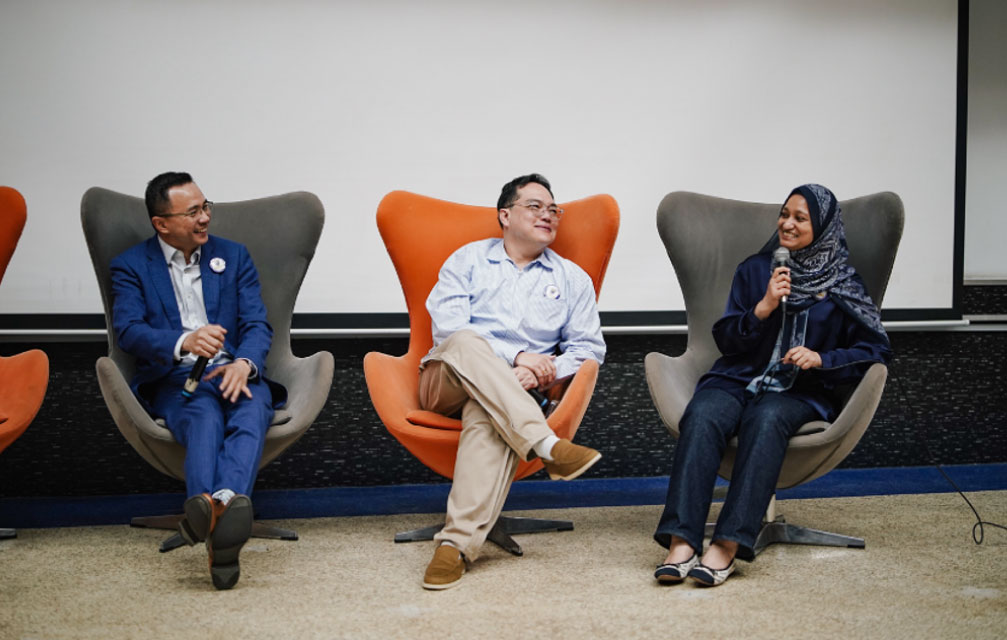
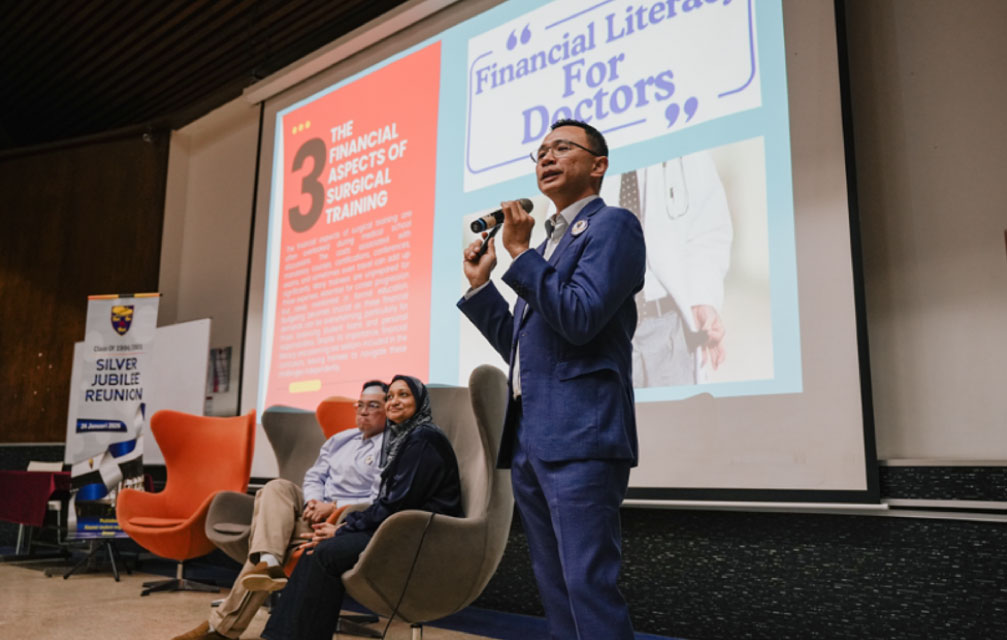
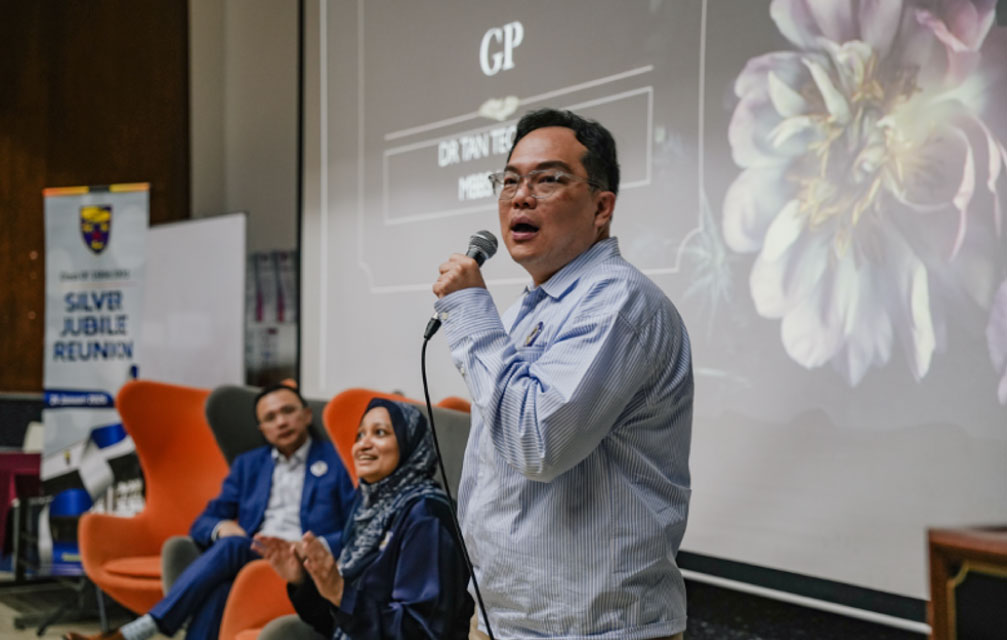
The academic highlight of the event was the forum discussion featuring two insightful topics. The session titled “What Medical Schools Do Not Teach You” was delivered by Dr Yeap Chee Loong, an upper gastrointestinal and obesity surgeon, who shared personal and professional lessons drawn from clinical practice, emphasizing adaptability, resilience, and lifelong learning. This was followed by “The Versatile GP: Exploring Opportunities in Marine Medicine, Occupational Health, and Skincare” by Dr Tan Teck Oon, who highlighted the diverse and evolving roles of general practitioners in non-traditional and emerging medical fields. The session was moderated by Assoc Prof Dr Noorjahan Haneem Md Hashim, ensuring active engagement and a dynamic question-and-answer segment with students.
Following the forum, participants enjoyed refreshments and a guided tour of key Faculty facilities, including the examination hall, museum, clinical skills unit, TJ Danaraj Library, and the clinical students’ hostel. This segment provided alumni with a nostalgic opportunity to revisit familiar spaces while allowing students to gain a deeper appreciation of the faculty’s heritage and learning environment. As an added benefit, the first 100 students received a complimentary copy of the Sarawak Emergency Handbook, further enhancing the educational value of the event.
Overall, the Silver Jubilee Reunion and Students–Alumni Engagement Forum successfully achieved its objectives of rekindling lifelong bonds among alumni, honoring their contributions to healthcare and society, inspiring the next generation of medical practitioners, and strengthening collaboration between alumni and the Faculty of Medicine. The event served as a meaningful platform for mentorship, knowledge sharing, and partnership building, reinforcing a collective commitment to advancing medical education, research, and innovation.
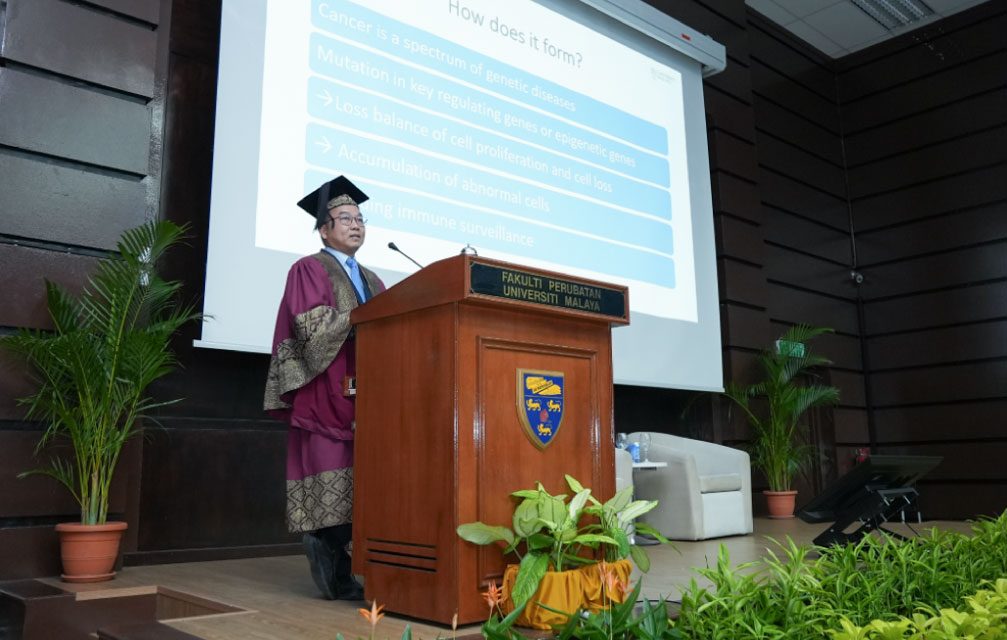
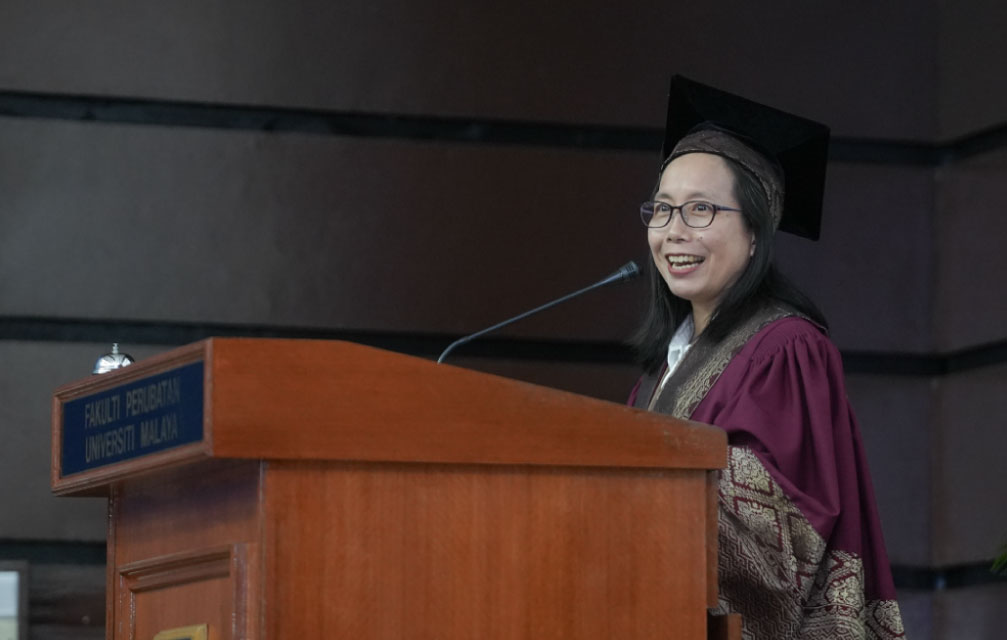
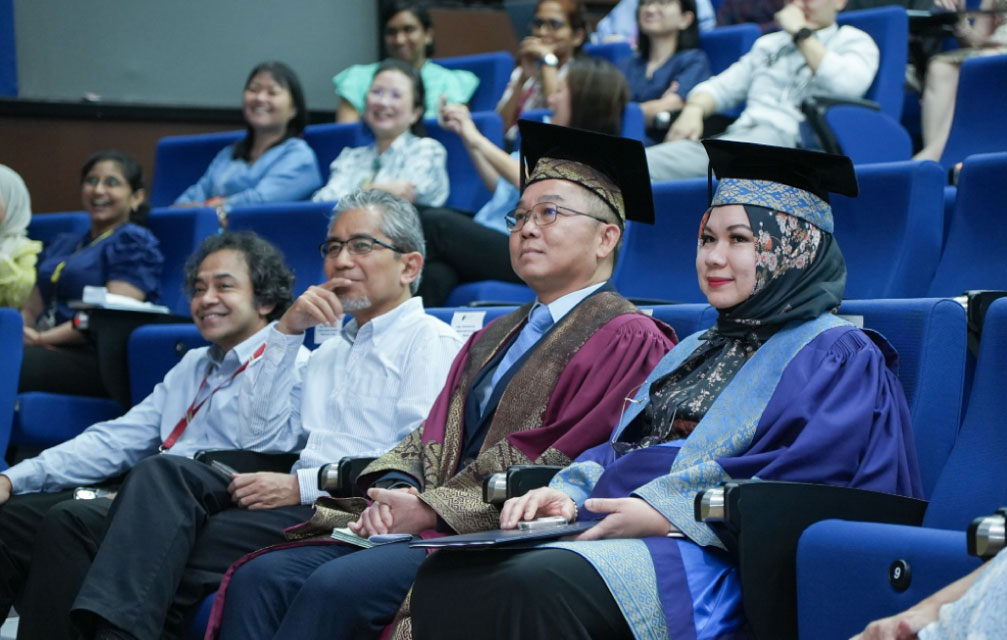
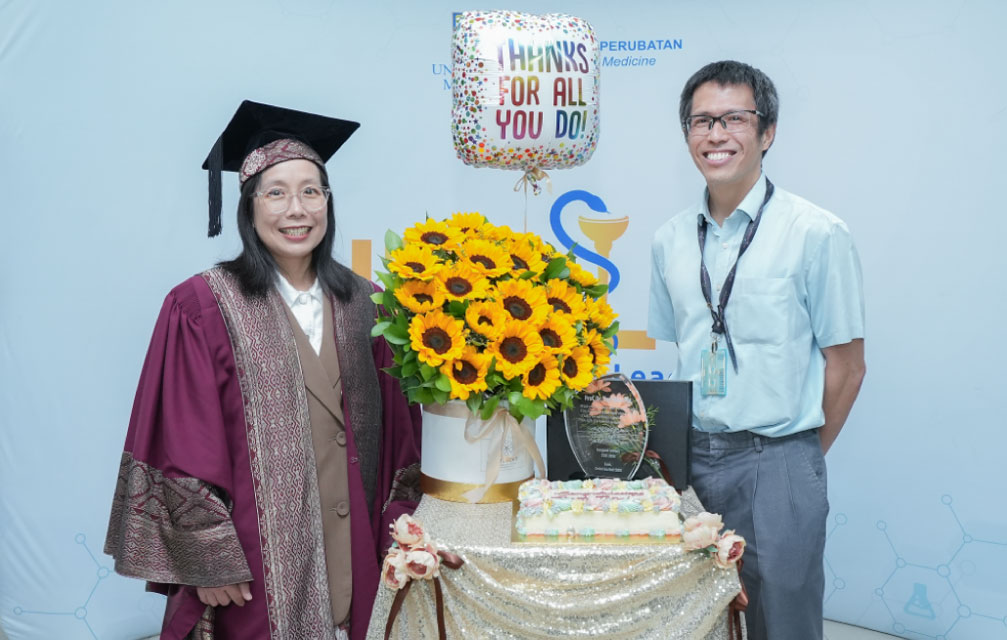
The Faculty of Medicine marked the opening Inaugural Lecture of the year with a special session featuring two distinguished professors — Professor Dr. Tan Maw Pin and Professor Dr. Bee Ping Chong — making it a meaningful occasion for the academic community.
Professor Dr. Tan Maw Pin delivered her lecture titled “Not Just A Fall”, highlighting how falls in older adults should not be viewed as isolated accidents but as important clinical warning signs. Her lecture emphasised that falls can signal underlying health vulnerabilities and may predict future disability, hospitalisation, institutionalisation and loss of independence if not recognised and addressed early. Through this perspective, she underscored the importance of early assessment, prevention and holistic geriatric care.
Professor Dr Bee Ping Chong presented “The Journey Through the Myths: From the Genetic Evil to Targeted Bullets – The Evolution of Cancer Care”, guiding the audience through the remarkable transformation of cancer treatment. In his lecture, he explored how cancer care has evolved from non-specific cytotoxic therapies to molecularly targeted treatments and more personalised approaches that integrate precision medicine with holistic patient care.
More than an academic milestone, the Inaugural Lecture served as an inspiring exchange of ideas, encouraging reflection and dialogue while highlighting the continued advancement of healthcare research, education and clinical practice.
The full lecture may be viewed at: https://www.youtube.com/watch?v=s-SO3d3GFi8
The University of Glasgow Diploma in Tropical Medicine & Hygiene (DTM&H) Microscopy Training- Kuala Lumpur station was conducted on 28 January 2026 and 29 January 2026. This workshop was the 4th edition for the Kuala Lumpur station. The training was conducted at the Department of Parasitology and MD2 laboratories, from 8:30 am to 4 pm, covering basic light microscopy handling, inspection of parasite specimens from stools, blood, and tissues, as well as the identification of medically important arthropods and common venomous snake specimens from the tropics. A total of 19 participants from Malaysia, United Kingdom, Ireland, Australia, Bangladesh, Indonesia, Singapore, and the Philippines attended the two-day workshop. The training was facilitated by Dr. Lee Wenn Chyau and Dr. Amirah Amir, assisted by Mr. Mohd Redzuan Ahmad Naziri, Mr. Mohd Khairul Roslan, Mdm. Sharifah Nor Akmar Syed Mohd, and Mdm. Aisah Samion.
Over the two days of training, the participants were presented with 105 specimens of endoparasites, ectoparasites and preserved snakes. Hands-on training of specimen preparation, fixing and staining was provided, followed by the microscopy-based diagnostic training. Malaria Rapid Diagnostic Testing (RDT) application was included, for participants to compare the different methods of diagnosis available in the market for tropical infectious diseases. Each session ended with a quiz to assist the learning process.
The training concluded with a microscopy handling assessment, following the standards set by the University of Glasgow. All participants successfully met the required competency benchmarks. Universiti Malaya (the Kuala Lumpur station) continued to be the DTM&H microscopy training hub with the highest number of participants outside of the United Kingdom, reflecting its high popularity and reputation among the program’s students. This has positioned Universiti Malaya as a reliable and reputable training hub in the field of tropical medicine.
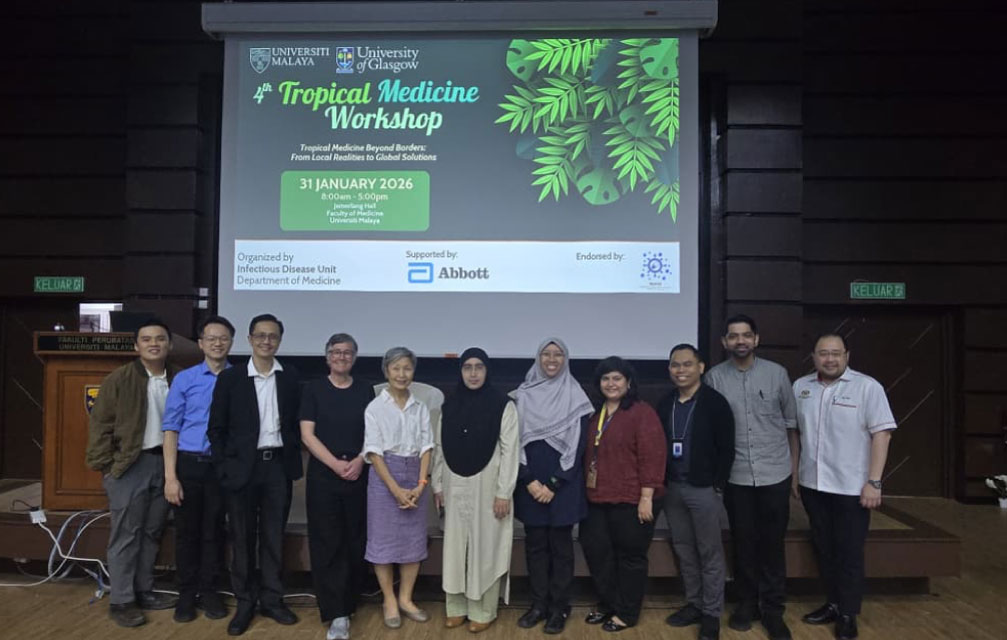
The Infectious Diseases Unit, Department of Medicine, Faculty of Medicine, Universiti Malaya, in collaboration with the University of Glasgow, successfully organised the 4th Tropical Medicine Workshop on 31 January 2026 at Jemerlang Hall. The one-day workshop brought together clinicians, medical officers, postgraduate trainees, and healthcare professionals with a shared interest in tropical medicine and global health.
The workshop forms part of the ongoing academic collaboration between Universiti Malaya and the University of Glasgow Diploma in Tropical Medicine and Hygiene (DTMH) programme, aiming to strengthen knowledge exchange and training opportunities in tropical infectious diseases. The programme welcomed approximately 80 participants, some of whom were medical officers and clinicians preparing for or pursuing training in tropical medicine.
The primary aim of the workshop was to provide participants with a practical and updated understanding of tropical medicine, covering key diseases, emerging global health challenges, and real-world clinical approaches relevant to both local and international settings. Through expert lectures, case-based discussions, and interactive sessions, the workshop aimed to bridge the gap between theoretical knowledge and clinical practice in tropical medicine.
The event opened with welcoming remarks by Professor Dr. Gan Gin Gin, Head of the Department of Medicine, Universiti Malaya, and Dr. Christina Naula, Course Director of the Diploma in Tropical Medicine and Hygiene and MSc in One Health and Infectious Disease at the University of Glasgow. Their remarks highlighted the importance of international collaboration in addressing the complex and evolving challenges of tropical diseases.
The programme featured an impressive lineup of international and regional experts, covering a wide range of topics across tropical medicine. Sessions explored key global health themes including One Health approaches, outbreak management, neglected tropical diseases, malaria elimination, helminthic infections, vaccine-preventable diseases, and travel-related infections. Participants particularly valued the breadth of topics presented across the five themed segments of the workshop: Global Health Challenges, Parasites That Kill, Worms That Linger, Vaccine-Preventable Diseases, and Tales of the Unfortunate Traveler. These sessions highlighted both the scientific complexity of tropical diseases and the importance of multidisciplinary strategies in prevention, diagnosis, and treatment.
Feedback from participants was overwhelmingly positive, with many noting the relevance of the topics, the high quality of speakers, and the opportunity to engage with colleagues across different specialties. As tropical diseases continue to pose significant challenges globally, initiatives such as this workshop play an important role in equipping healthcare professionals with the knowledge and skills needed to address these issues. The continued partnership between Universiti Malaya and the University of Glasgow reflects a shared commitment to advancing education, research, and clinical excellence in tropical medicine.
As part of the MID1001: Basic Medical Science I module, nursing students from Cohort 15 were given the opportunity to visit the Tan Sri Lim Wee Chai Medical Museum. This educational visit aimed to enhance students’ understanding of human anatomy and pathology through real-life exposure beyond the classroom setting.
During the visit, students were able to observe various preserved human specimens, including normal anatomical structures such as the stomach, liver, kidney, and small intestine. These specimens provided valuable visual reinforcement of concepts taught in lectures, allowing students to better appreciate the structure and function of the human body.
One of the key highlights of the visit was the observation of pathological specimens, including cases of congenital abnormalities and cancer-affected organs. For example, the specimen of congenital diaphragmatic hernia (CDH) offered students a deeper understanding of how developmental defects can impact physiological function. Such firsthand exposure enabled students to connect theoretical knowledge with clinical relevance.
In addition, the museum environment encouraged active learning and discussion among students. By observing real specimens, students were able to develop critical thinking skills and gain a clearer perspective on disease progression and its impact on the human body.
Overall, this educational visit served as an effective platform to bridge the gap between theory and practice. It significantly contributed to achieving the learning outcomes of the MID1001 module and fostered greater interest and appreciation in the field of medical sciences. Such experiential learning opportunities are essential in preparing nursing students for their future roles as competent and knowledgeable healthcare professionals.
The Waste Management Workshop: 3rd Series – From Awareness to Action: Enhancing Clinical Waste Management in High-Risk Hospital Zones was successfully conducted on 15 and 16 January 2026. The workshop was organized by the CEPA Research Team, Department of Nursing, Faculty of Medicine, Universiti Malaya, in collaboration with the Unit for Sustainability in Healthcare, Universiti Malaya Medical Centre, Green@UMHealth, Faculty of Medicine, Universiti Malaya, and industry partner B. Braun Medical Supplies Sdn Bhd. Designed as a continuation of the first series, the programme focused on strengthening sustainable clinical waste management practices in high-risk hospital areas such as intensive care units, emergency departments, and operating theatres. Through expert lectures, targeted discussions, and practical walkabout assessments, the workshop aimed to translate awareness into actionable strategies that support patient safety, environmental sustainability, and regulatory compliance within UMMC.
This two-day event began with an opening address which formally welcomed participants and outlined the objectives of the program, emphasizing the importance of translating awareness into actionable practices for sustainable clinical waste management in high-risk hospital zones.
Session 1: Overview of Clinical Waste Management in High-Risk Areas
This session provided an overview of current practices, challenges, and regulatory considerations related to clinical waste management in high-risk hospital settings such as ICUs, emergency departments, and operating theatres.
Session 2: Roles and Responsibilities in Sustainable Waste Management
The speaker discussed the shared responsibilities of healthcare professionals, administrators, and support services in ensuring proper waste segregation, handling, and compliance with sustainability goals.
Session 3: Industry Perspective and Best Practices
This session shared industry insights and best practices in clinical waste management, highlighting innovative approaches, safe handling techniques, and collaboration between healthcare institutions and industry partners.
Session 4: Case Studies and Practical Insights
Real-world case studies were presented to illustrate common gaps and effective strategies in clinical waste segregation and management within hospital environments.
In between the sessions, tea and lunch break provided participants with an opportunity to network, exchange ideas, and reflect on the sessions in an informal setting, fostering interdisciplinary engagement.
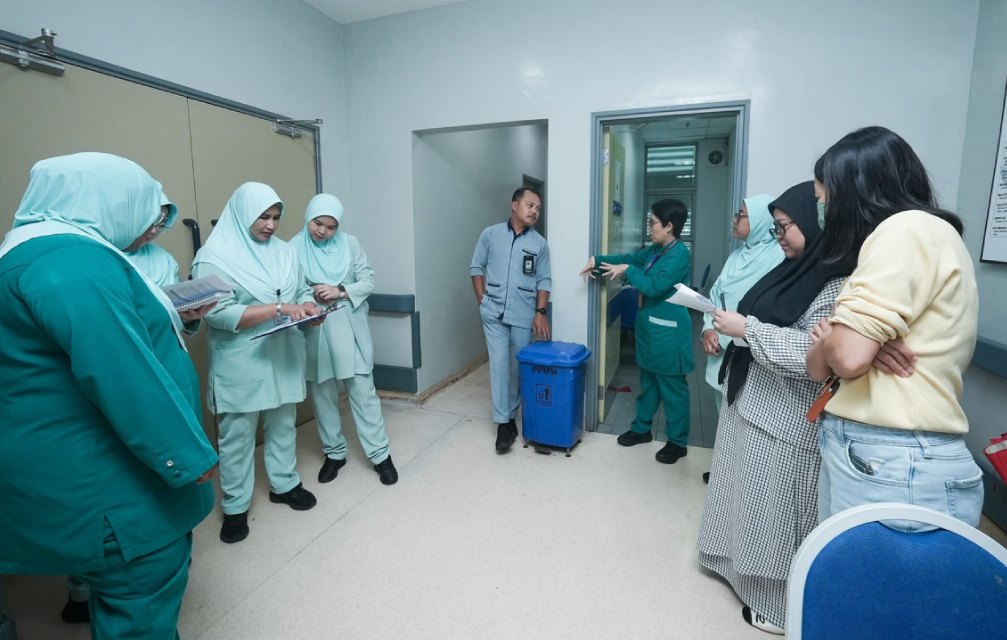
The participants were then given the opportunity to apply their knowledge learned to real clinical practice during the walkabout session. The walkabout session started with a briefing, outlining the objectives, scope, and methodology of the assessment, providing participants with clear guidance on observation focus areas, safety considerations, and documentation procedures. Participants were oriented on identifying gaps, good practices, and improvement opportunities related to clinical waste segregation, handling, and workflow in high-risk hospital zones.
Walkabout Session:
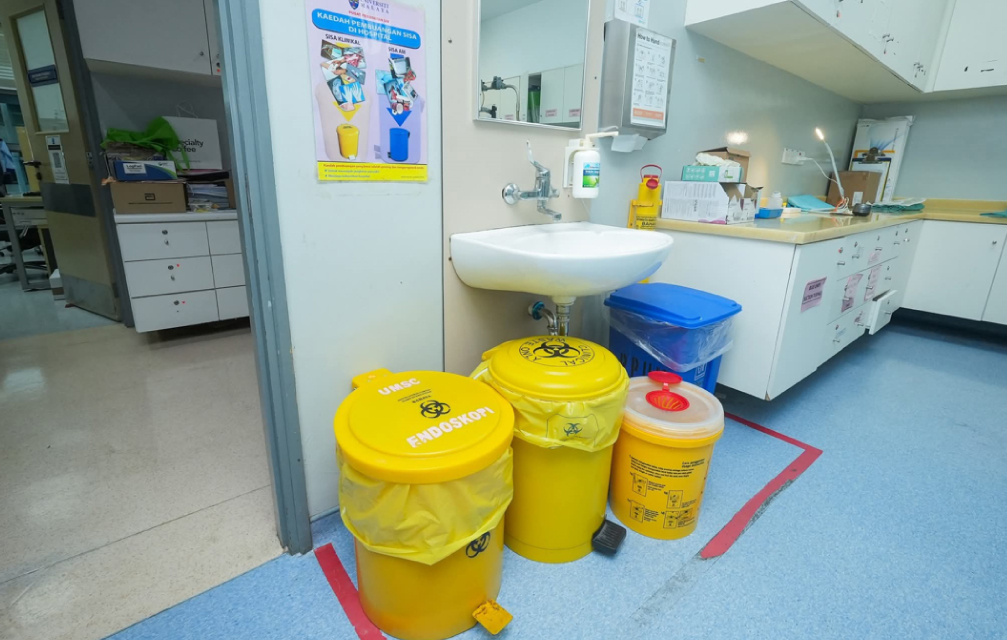
During the walkabout session, participants conducted on-site observations in designated high-risk clinical areas, applying the concepts discussed during the workshop. This hands-on activity enabled participants to assess real-world waste management practices, identify compliance gaps, and reflect on practical, context-specific strategies to enhance sustainable and safe clinical waste management.
Day One concluded with a wrap-up session summarizing the key learning points from the lectures, discussions, and walkabout activities. The session reinforced the importance of translating knowledge into practice and encouraged participants to reflect on observed gaps and potential improvements in clinical waste management within their respective units.
Day Two focused on consolidating learning through focused discussions, feedback from the walkabout sessions, and practical action planning. Participants engaged in interactive sessions to review findings, share insights, and propose feasible improvement strategies tailored to high-risk clinical areas.
Group discussions were also carried out. This interactive session facilitated in-depth discussion of the walkabout findings, allowing participants to exchange perspectives, clarify challenges, and explore practical, context-specific solutions. Participants collaboratively developed feasible action plans aimed at strengthening sustainable clinical waste management practices within their respective units, focusing on short- and medium-term improvements.
The event concluded with a summary of key recommendations and a closing session, emphasizing sustained collaboration, continuous improvement, and commitment to advancing safe and sustainable waste management practices within UMMC.
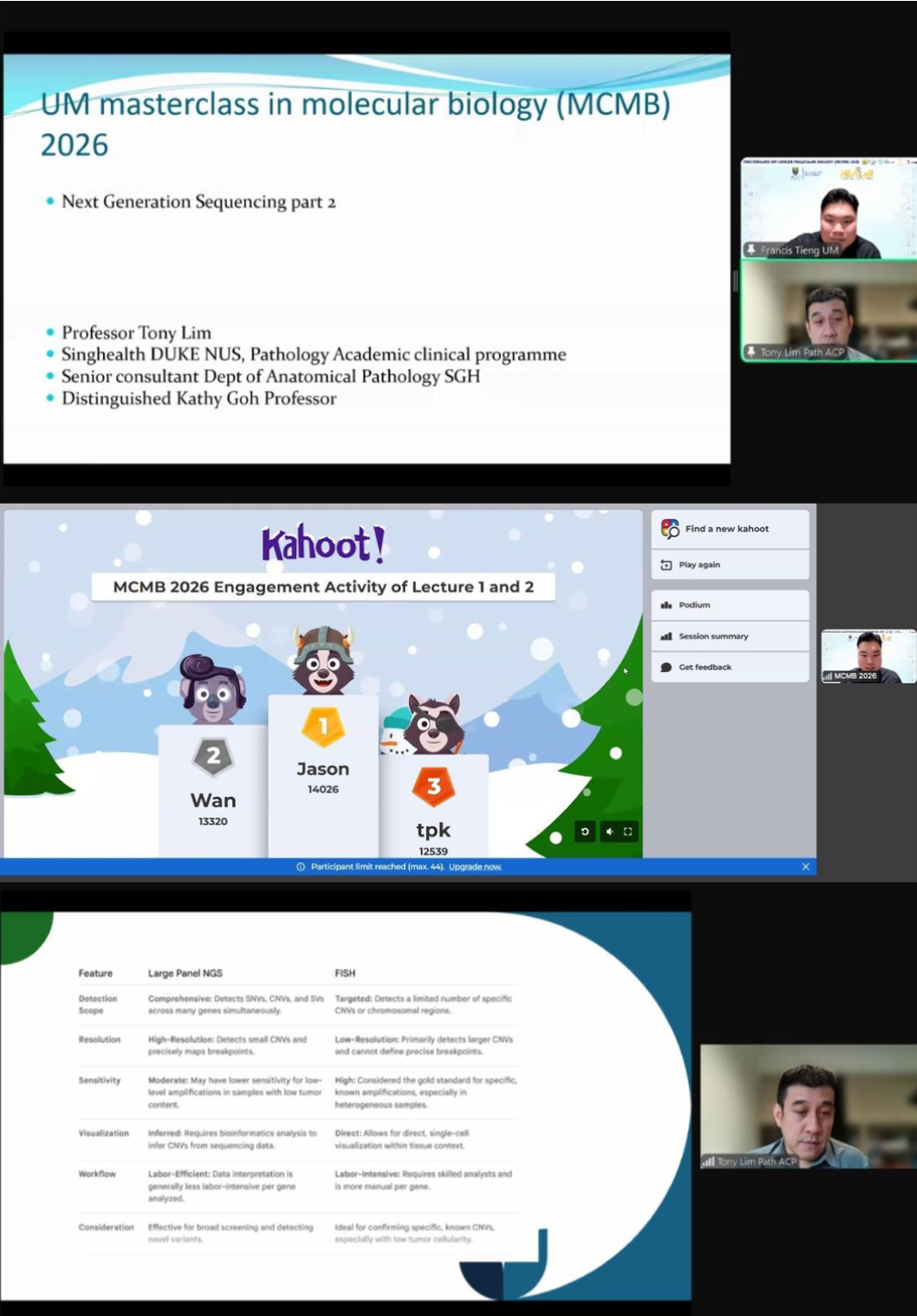
The Universiti Malaya Masterclass on Cancer Molecular Biology (MCMB) 2026 has officially drawn to a close, marking the end of a highly impactful eight-week online educational journey. This masterclass, which began on 2 January 2026 and concluded on 27 February 2026, successfully brought together diverse groups of healthcare professionals, researchers, and students, all united by a shared passion for advancing knowledge in oncology. Organized by the Department of Clinical Oncology at the Faculty of Medicine, Universiti Malaya, in collaboration with the Malaysian Oncological Society, the masterclass cultivated a vibrant and globally connected oncology learning community.
Building on the momentum of previous years, the curriculum was meticulously designed to deepen participants' understanding of cancer molecular biology, aligning closely with current trends in precision oncology and the expanding role of next-generation sequencing. The comprehensive agenda guided attendees through complex, cutting-edge subjects spanning molecular foundations, cancer genomics, DNA repair abnormalities, and cellular mechanisms like apoptosis and cancer metabolism. Participants also explored intricate cellular signalling pathways, the dynamics of the tumour microenvironment, angiogenesis, cancer immunology, and the polymorphic cancer microbiome.
The program was significantly strengthened by the clinical insights and dynamic discussions led by an esteemed line-up of featured speakers and academic researchers. Attendees had the privilege of learning from regional and international experts, including Professor Dr. Tony Lim Kiat Hon from Singapore General Hospital and Professor Dr. Ho Gwo Fuang from Curie Oncology. The academic rigor of the event was further elevated by leading scientists from across Malaysia, including Associate Professor Dr. Nurul Syakima Ab Mutalib from Universiti Kebangsaan Malaysia, Professor Dr. Tham Chau Ling from Universiti Putra Malaysia, and a strong contingent of experts from Universiti Malaya, such as Associate Professor Dr. Retnagowri Rajandram, Associate Professor Dr. Thamil Selvee Ramasamy, Professor Dr. Wong Won Fen, and Dr. Arutchelvan Rajamanikam.
Industry partnerships, including Gene Solutions, SCI Laboratories, Oncode, and AGTC Genomics, played a vital role in connecting academic theory with clinical application. Notably, featured speakers from Gene Solutions, such as Dr. Ankush Kalra and Dr. Nalini Devi Verusingam, provided specialized sessions bridging knowledge to clinical practice by discussing molecular innovations, liquid biopsies, and the integration of molecular pathology into future cancer management.
The seamless execution of MCMB 2026 was the direct result of dedicated and visionary leadership. A heartfelt thank you goes out to the event's Chairman, Dr. Francis Tieng Yew Fu, and Co-chairman and Head of the Department of Clinical Oncology, Associate Professor Dr. Wan Zamaniah Wan Ishak, whose guidance and instrumental roles made this masterclass a definitive triumph. Deep appreciation is also extended to the dedicated organizing committee, the featured speakers, the sponsors, and every participant whose enthusiasm made the program engaging and impactful.
Following the resounding success of this year's event, the organizers are thrilled to confirm that the UM Masterclass on Cancer Molecular Biology will be returning next year, welcoming an even larger and more diverse community to continue advancing the field of oncology together.
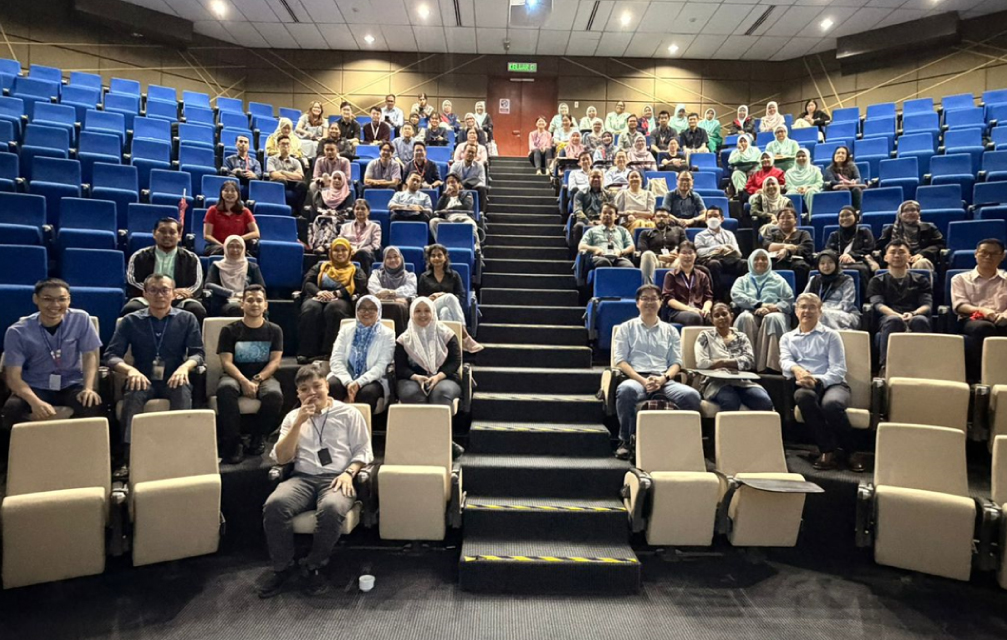
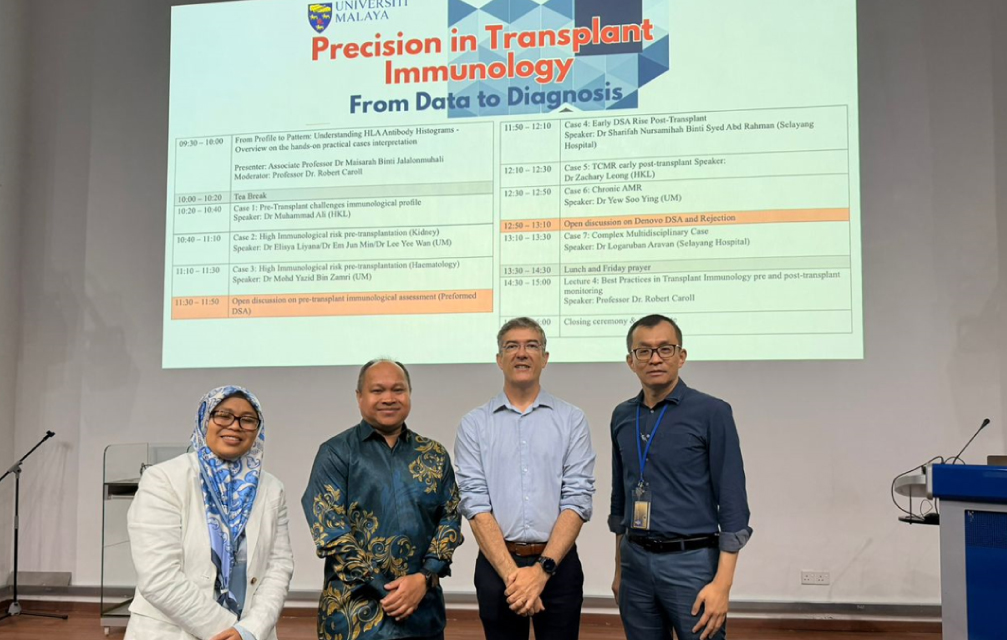
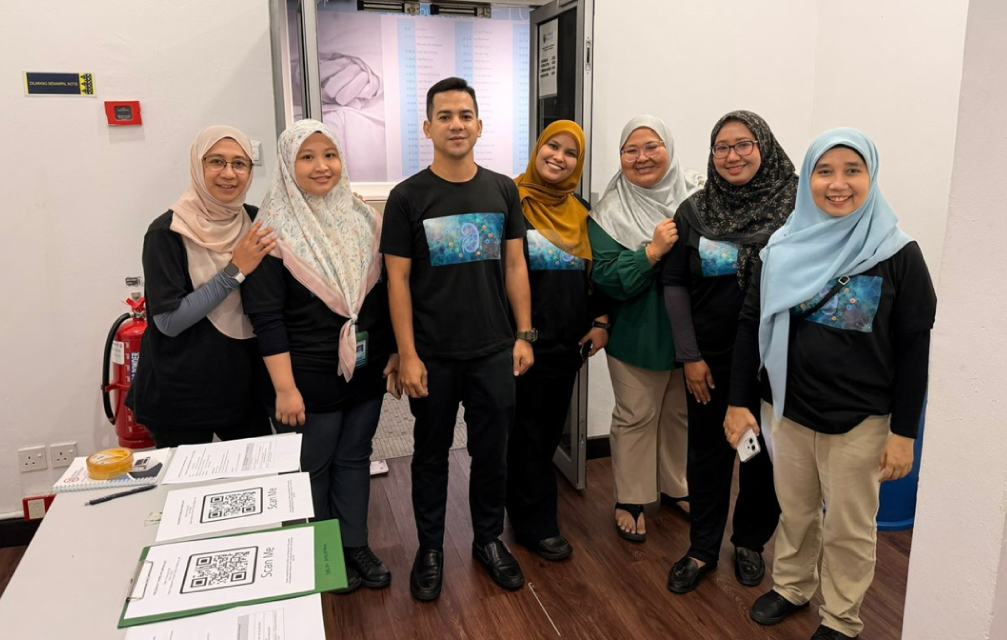
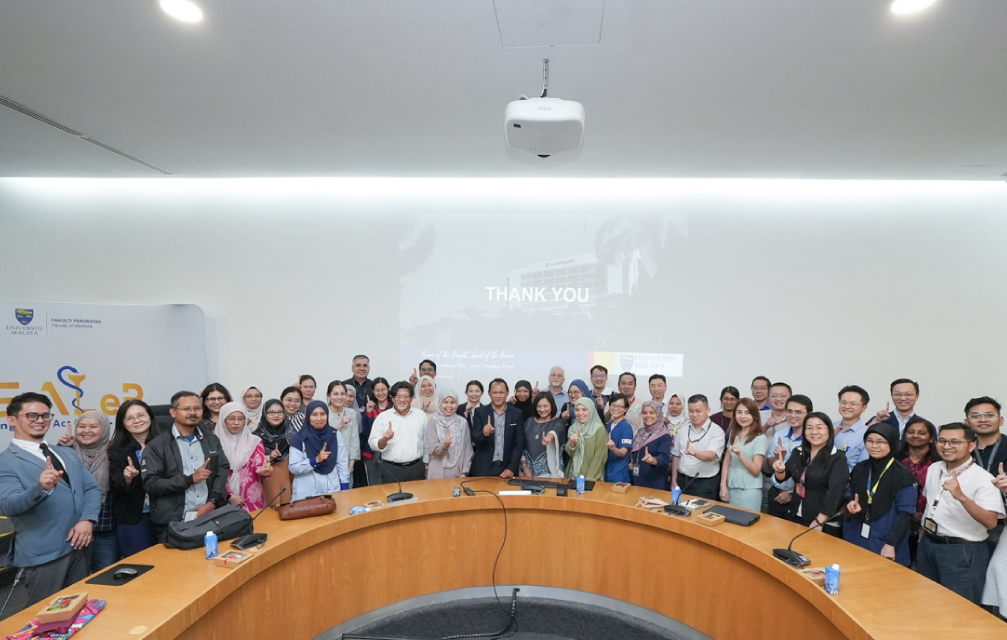
The Immunology Hands-On Workshop Series 2 (1/2026): Flow Cytometry, DSA Interpretation and Case-Based Learning was successfully conducted from 4 to 6 February 2026 at the Molecular and Genetic Laboratory, Universiti Malaya Medical Centre (UMMC), and the Clinical Auditorium. The three-day event brought together 80 participants from diverse professional backgrounds, including clinical immunologists, nephrologists, laboratory scientists, trainees, and researchers, reflecting a strong multidisciplinary commitment to advancing transplant immunology practices in Malaysia.
A key highlight of the workshop was the participation of Professor Dr. Robert Caroll, an internationally recognised expert in transplant immunology and flow cytometry, who led the training sessions alongside experienced scientists with expertise in flow cytometry and single antigen bead (SAB) testing. The program was carefully designed to bridge the gap between theoretical knowledge and real-world application, combining interactive lectures, hands-on laboratory practicals, and case-based discussions. Participants gained practical exposure to essential techniques such as instrument setup, compensation, panel optimisation, gating strategies, and troubleshooting, while also enhancing their ability to interpret complex donor-specific antibody (DSA) data, including SAB patterns, mean fluorescence intensity trends, and complement-binding assays.
In addition to technical skills, the workshop emphasised the importance of accurate and standardised laboratory reporting, as well as the integration of immunological findings with clinical and histopathological data. This approach is crucial for improving decision-making in transplant care, particularly in assessing immunological risk, predicting graft rejection, and managing post-transplant complications. The final day of the workshop featured case-based discussions that presented real clinical scenarios, enabling participants to apply their knowledge in a practical and clinically relevant context.
Overall, the workshop served as a valuable platform for knowledge exchange, skills enhancement, and professional development. It also fostered closer collaboration between laboratory and clinical teams, encouraging a more integrated approach to transplant diagnostics and patient management. By aligning local practices with international standards and promoting continuous learning, this initiative represents an important step towards strengthening transplant immunology expertise and improving patient outcomes in Malaysia.
The Internationalisation Unit (IUFOM) successfully organized a collaborative meeting between the Faculty of Medicine (FOM) and the Faculty of Engineering (FOE) on 11 February 2026. Held at the Faculty Room, Faculty of Medicine, the session aimed to connect researchers from both faculties, build new partnerships, and explore potential joint research projects. The gathering served as a vital platform to bridge the gap between clinical challenges and practical engineering solutions.
A key highlight of the meeting was the active participation of representatives from the Faculty of Engineering. These delegates took the floor to present an in-depth overview of their respective fields, detailing their technical expertise and ongoing engineering projects. They shared valuable insights into how advanced engineering principles can be applied to healthcare, covering high-potential collaborative areas such as Medical Robotics and Biomechanics, Smart Sensors and IoT for diagnostic devices, and the integration of Digital Health and AI into clinical practice. This knowledge-sharing session provided FOM researchers with a clear understanding of the technological capabilities and resources available across campus.
Building upon the foundation of a pre-meeting "matchmaking" survey launched in November 2025, the engagement extended well beyond theoretical discussions. Following the presentations and the conclusion of the meeting, the organizing committee actively facilitated the successful pairing of several FOM researchers with the most suitable engineering experts from FOE.
The successful execution of the meeting reflects the Faculty of Medicine’s continued commitment to fostering inter-faculty dialogue, breaking down academic silos, and advancing contemporary research. The organising committee extends its sincere appreciation to the FOE representatives and all attendees, confident that this session has laid a robust foundation for long-term, high-impact collaborations between the two faculties.
In line with Malaysia’s aspiration to strengthen Science, Technology and Innovation (STI) literacy among young learners, the Ministry of Science, Technology and Innovation (MOSTI) introduced the impactful national outreach initiative, STI 100³ Programme. Carried under the theme “Saintis@Sekolah: Jom STI!”, the programme brings scientists directly into schools to inspire, engage and cultivate interest in STEM through immersive, hands-on learning experiences.
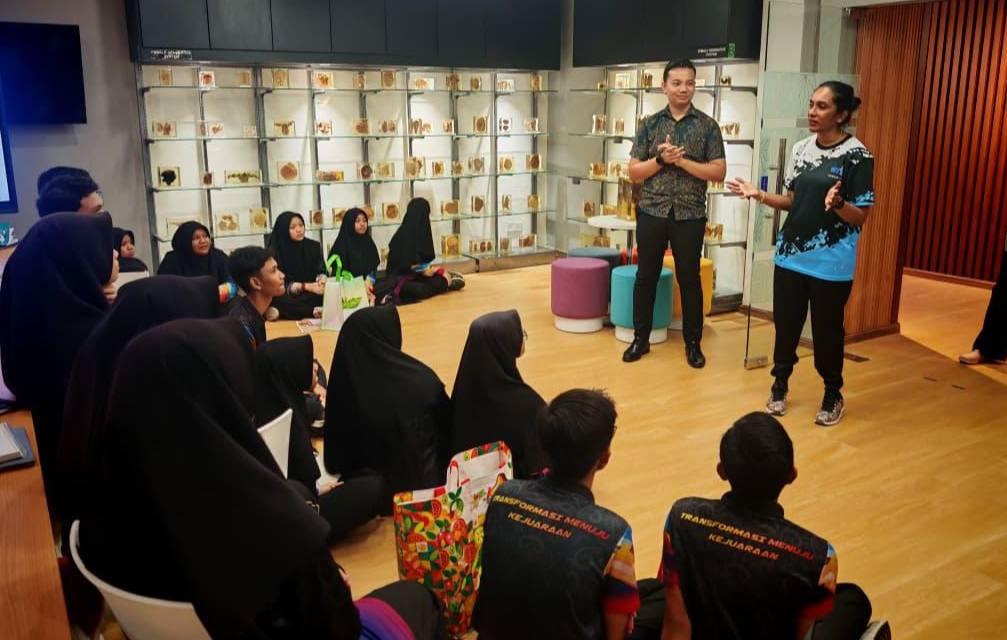
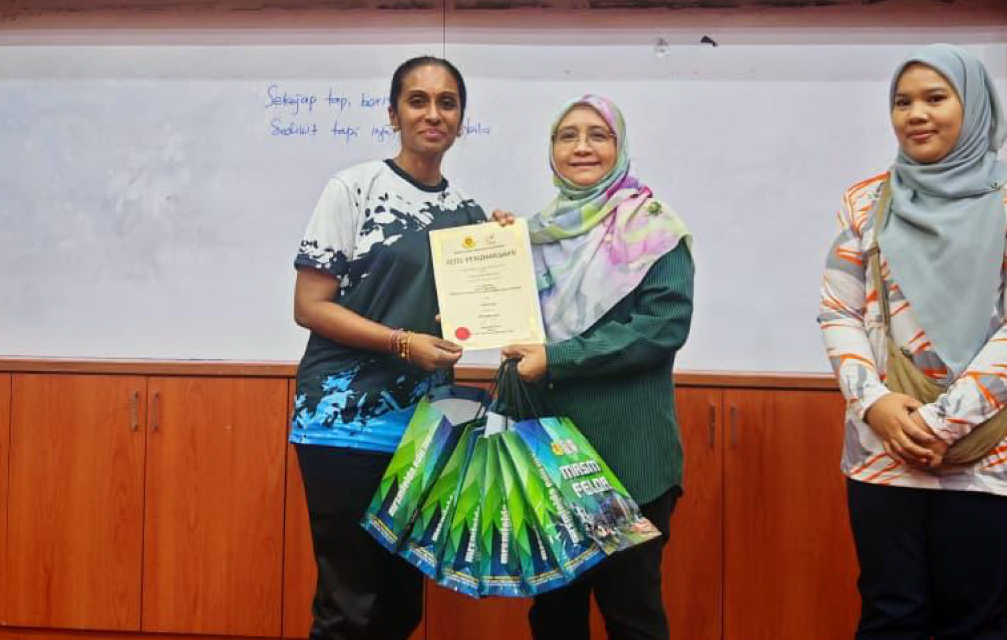
As part of Cycle 2 of the programme, which features 100 scientists engaging with 100 schools nationwide, Thibashini Nair Sathasivan from the Central Research Laboratories (CRL), Faculty of Medicine, Universiti Malaya, was selected as one of the scientists for this national initiative. She served as the STEM coach for Maktab Rendah Sains MARA Felda Trolak from January to March 2026, delivering high-impact STEM exposure to Form 4 and Form 5 students. She, together with her dedicated team, developed a structured programme themed “From Cells to Circuits: Discovering Science Across Disciplines”, aimed at integrating multidisciplinary learning across biology, botany and robotics.
Activity 1: Experiential Learning at Rima Ilmu and Geology Museum, Universiti Malaya - Date: 3 February 2026
The programme started with a visit to Rimba Ilmu where students were introduced to plant biodiversity and ecosystem dynamics through an engaging session led by Dr. Khairul Azmi Abdul Rahman, Head of the Research Services Division. His delivery simplified complex ecological concepts, sparking curiosity and deeper appreciation for environmental sciences. This was followed by a visit to the Geology Museum Universiti Malaya, facilitated by Dr. Arindam Chakraborty and Puan Maisarah Yusoff from the Department of Geology. Students gained basic knowledge about the Earth, rocks and how the planet changes over time.
Activity 2: Hands-on Robotics Workshop and Sharing Session - Date: 7 February 2026
A robotics workshop was conducted at Maktab Rendah Sains MARA Felda Trolak in collaboration with Karisma Mutiara. During the workshop, students had the opportunity to design, build, and program their own robots, allowing them to actively apply their knowledge while developing creativity, problem-solving, and basic coding skills.
Prior to the workshop, a sharing session was conducted by the facilitators, where students were introduced to various career pathways in science, particularly in laboratory-based fields. This session helped broaden students’ awareness of future opportunities and inspired them to explore careers in STEM.
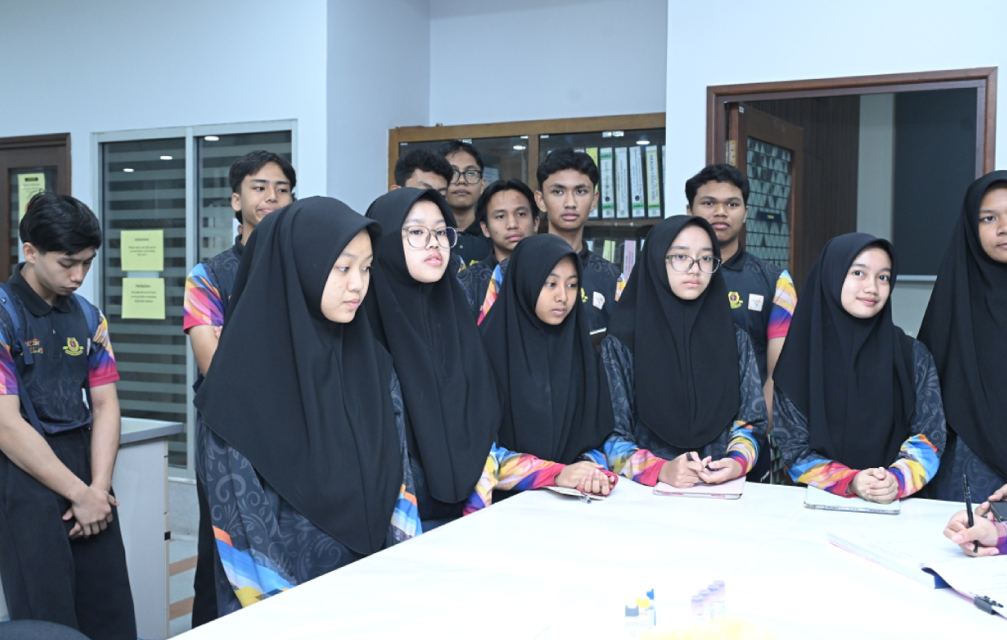
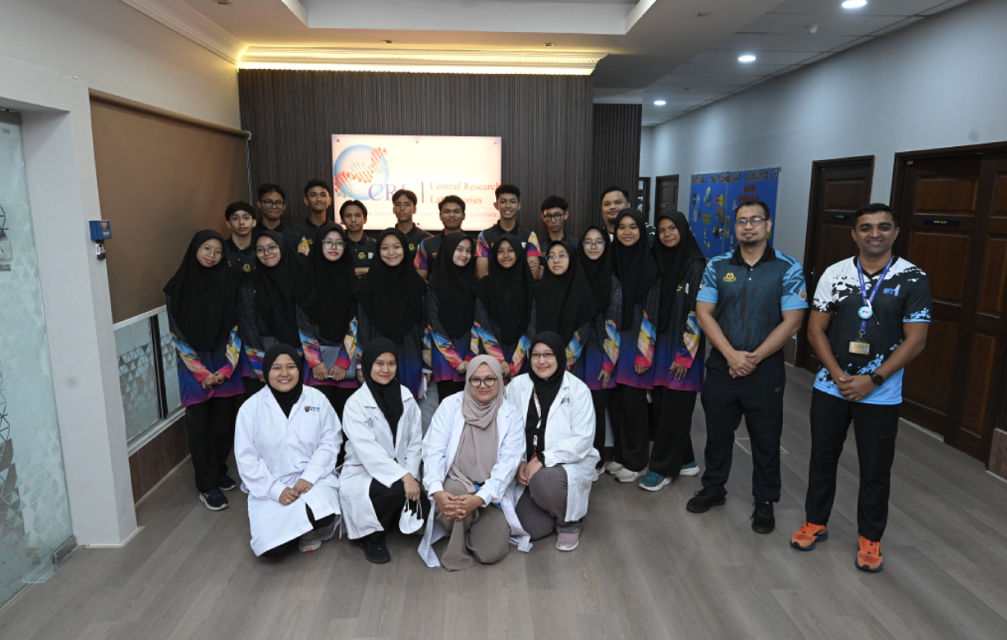
Activity 3: Visit to CRL and Medical Museum, Faculty of Medicine - Date: 12 February 2026
The final session involved a visit to the Central Research Laboratories and the Medical Museum. Students were introduced to real-world research environments, including exposure to advanced scientific instrumentation and laboratory practices. A fun treasure hunt at the museum, led by Encik Rizqullah Al Bariq Bin Azmi, made the session more interactive. Students enjoyed learning about medical history while improving their observation and thinking skills.
The STI 100³ programme successfully enhanced students’ understanding of multidisciplinary STEM concepts while cultivating essential skills such as critical thinking, creativity, and problem-solving. More importantly, the programme brought science closer to the community by allowing students to experience the environment, learning culture and excitement of Universiti Malaya. This exposure not only increased their confidence but also inspired them to see new possibilities for their future in STEM fields.
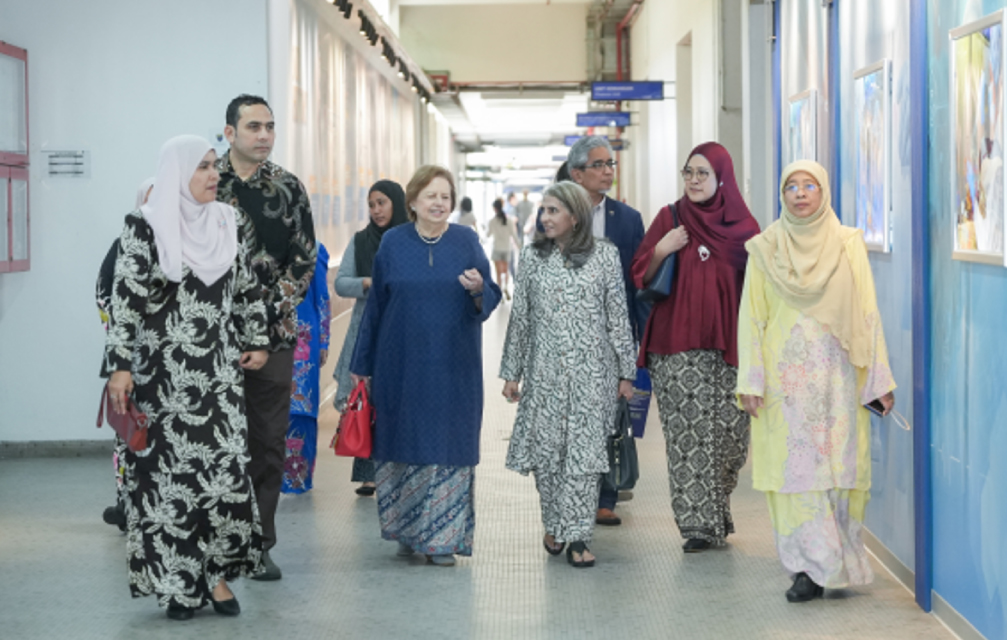
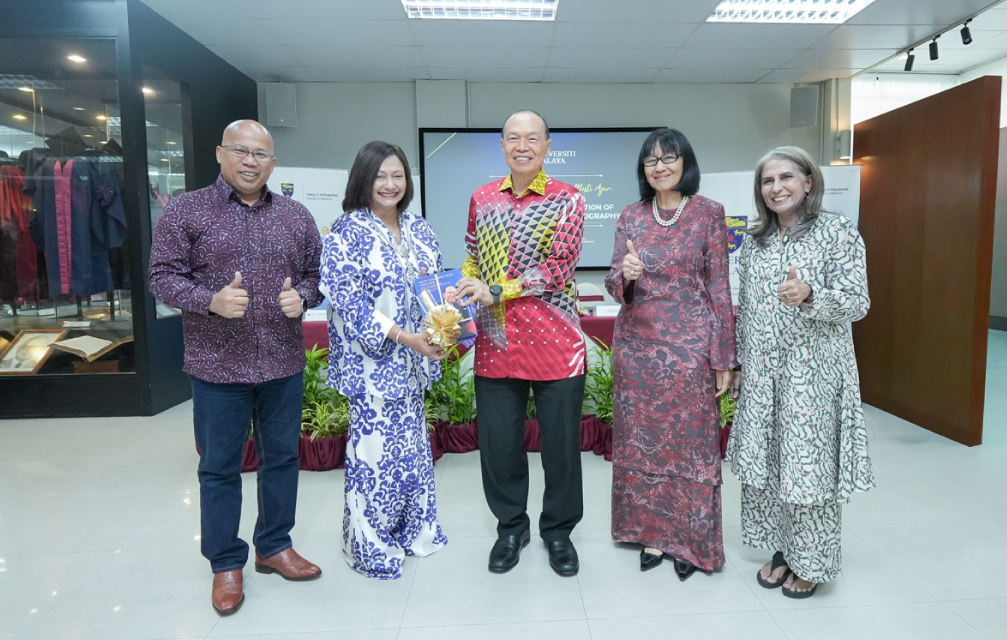
The Faculty of Medicine, Universiti Malaya successfully hosted “A Celebration of Legacy, Knowledge and Partnership” on 14 February 2026, in Kuala Lumpur. The event brought together university leadership, faculty members, and distinguished guests in a meaningful occasion that celebrated philanthropy, academic excellence, and long-standing partnerships, reflecting the faculty’s commitment to advancing education, research, and national healthcare development.
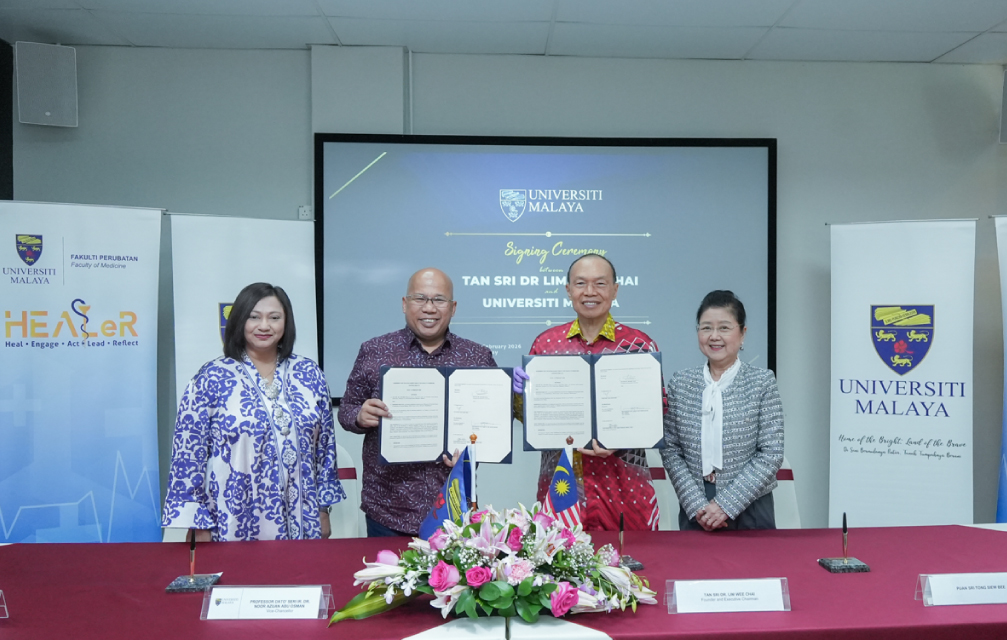
A key highlight of the event was the signing of a Memorandum of Agreement between the Faculty of Medicine and Tan Sri Dr. Lim Wee Chai, a Universiti Malaya alumnus and Founder and Executive Chairman of Top Glove Corporation Bhd, to establish the Tan Sri Dr. Lim Wee Chai Scholarship for Medicine and Wellness. This RM1 million perpetual endowment is designed to support undergraduate and postgraduate students across research, coursework, and mixed-mode programmes. The initiative aims to provide financial assistance to deserving students, promote academic excellence, strengthen academia–industry collaboration, and nurture future leaders in healthcare and related fields.
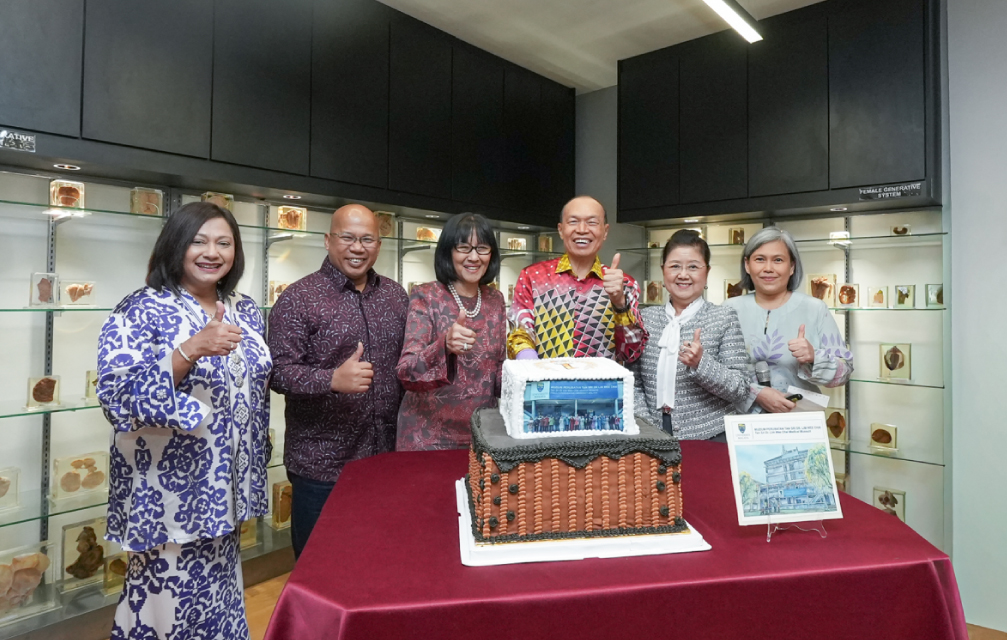
The programme also marked several significant milestones, including the presentation of the Bahasa Malaysia translation of Tan Sri Dr Lim Wee Chai’s biography, Mesti Tahu, Mesti Buat, Mesti Ajar, and the commemoration of the first anniversary of the Tan Sri Dr Lim Wee Chai Medical Museum. These elements highlighted the integration of legacy, knowledge, and contribution within the University’s academic environment.
The establishment of the scholarship builds upon Tan Sri Dr Lim’s earlier RM2 million contribution in January 2025 towards the development of the Tan Sri Dr Lim Wee Chai Medical Museum, which was officially launched on 25 January 2025. Over the past year, the museum has played a significant role in preserving the faculty’s medical heritage while enhancing contemporary medical education, serving as a bridge between historical foundations and future-oriented medical advancement.
Overall, the event successfully achieved its objectives of honouring a distinguished donor’s legacy, strengthening strategic partnerships, supporting student development, and advancing the Faculty of Medicine’s mission in education, research, and healthcare. It served as a meaningful platform for reinforcing collaboration between academia and industry while contributing to the long-term development of Malaysia’s healthcare landscape.
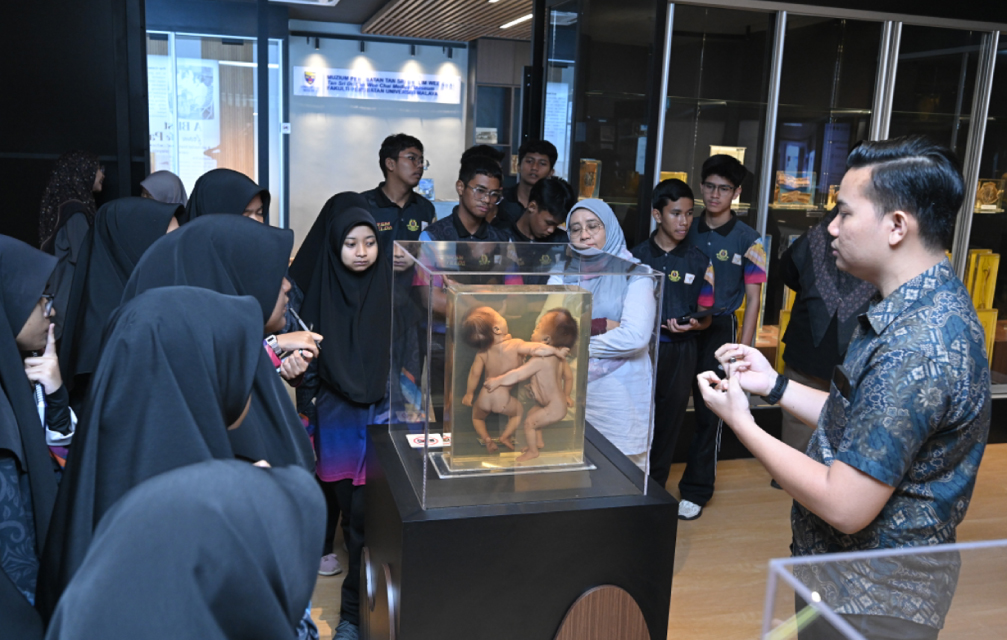
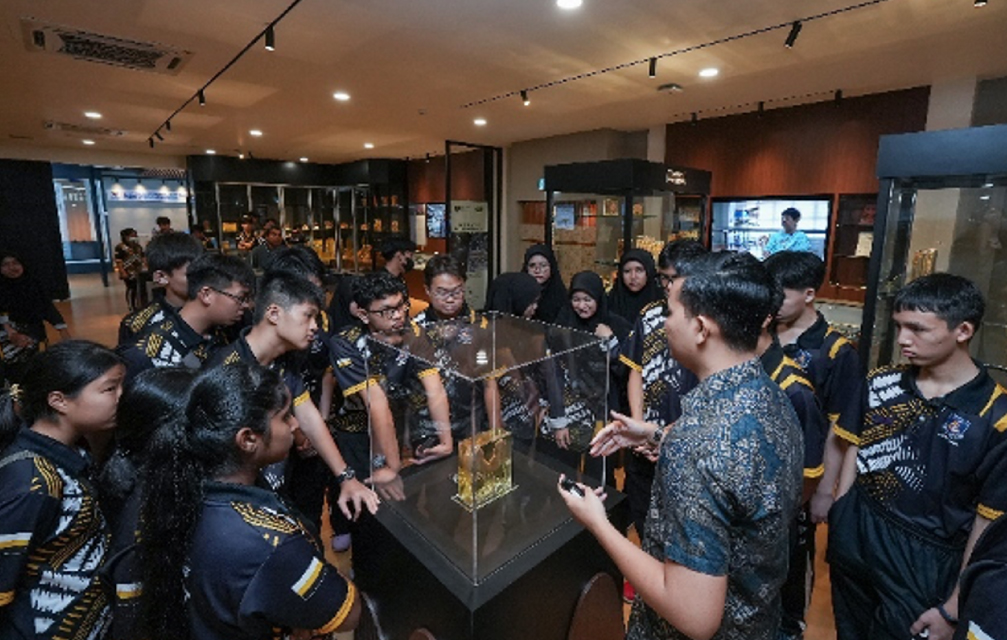
The Explore the World of Medical Museum programme represents a carefully curated educational initiative designed to bridge the gap between medical science and public understanding. At the Tan Sri Dr. Lim Wee Chai Medical Museum, this programme embodies our broader curatorial mission to transform the museum into a space where knowledge is not only preserved, but meaningfully experienced.
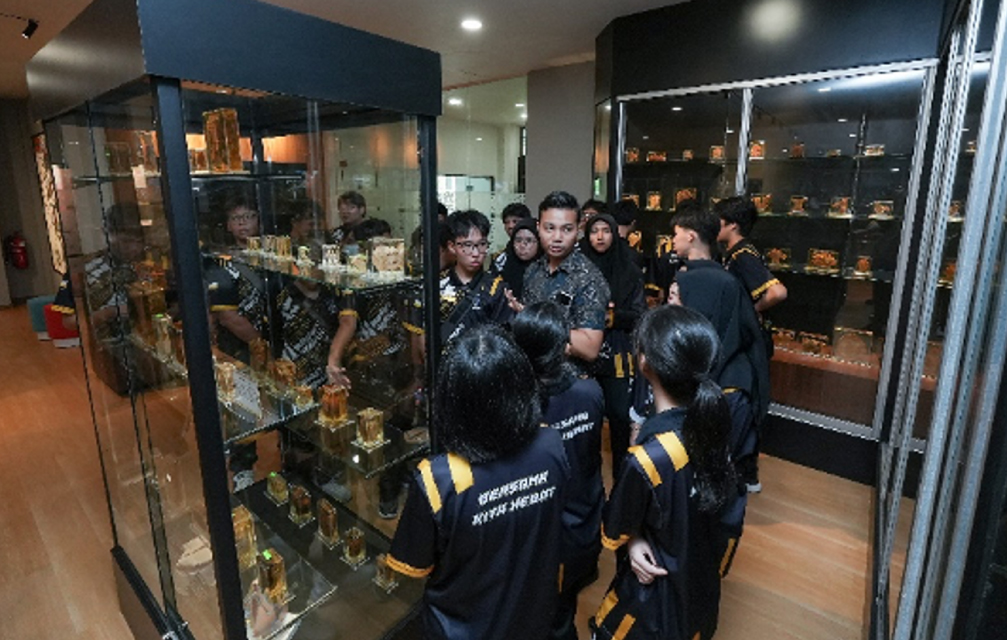
Anchored in the narrative of maternal health history, the programme invites participants to engage with pivotal developments in medicine through a thoughtfully structured journey. Guided tours form the core of this experience, offering visitors rare access to authentic medical specimens, historical artefacts, and significant milestones in healthcare. Each exhibit is contextualised with precision, allowing visitors to appreciate both its scientific relevance and its place within the wider evolution of medical knowledge.
A key strength of the programme lies in providing a real, first-hand experience with medical specimens, allowing participants to observe and understand the realities of human anatomy and disease beyond textbook descriptions. Through this programme, students are able to experience medical learning beyond the classroom in a more engaging and meaningful way.
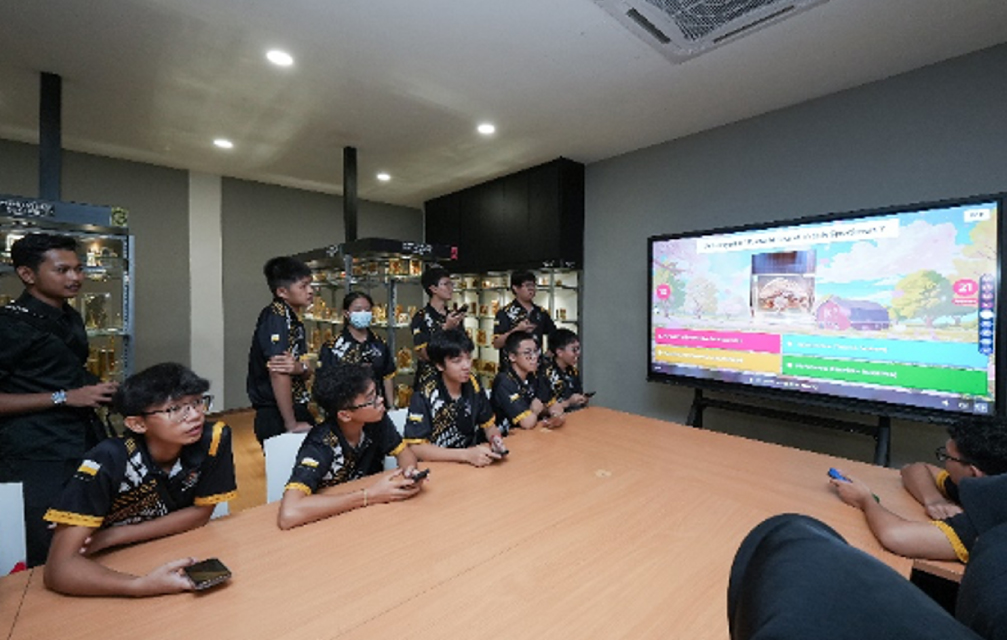
Beyond observation, the programme encourages active engagement through interactive activities and specimen-based quizzes, designed to stimulate curiosity and deepen understanding. These elements are particularly effective in fostering meaningful learning among younger audiences, transforming passive viewing into participatory discovery.
A defining feature of the museum’s approach lies in the integration of medical history with elements of art, creating a multidisciplinary environment where science intersects with culture and human experience. This curatorial direction reflects a commitment to presenting medicine not merely as a technical field, but as a narrative shaped by society, ethics, and lived realities.
To further enrich the visitor experience, selected sessions incorporate treasure hunt-based explorations, encouraging participants to navigate the museum space with intention and inquiry. This interactive format promotes critical thinking, collaboration, and a sense of discovery, reinforcing the museum’s role as an active learning environment.
Ultimately, Explore the World of Medical Museum exemplifies our vision of the museum as a dynamic platform for education, reflection, and inspiration. It is our aspiration that each visitor departs not only with knowledge, but with a deeper appreciation of the medical field and a renewed curiosity towards the science of life and health.
“At the heart of our museum is the belief that medical knowledge should not remain confined to textbooks or laboratories. It must be experienced, questioned, and understood by society because it is through this shared understanding that we build a more informed and compassionate community.”
— Curator, Tan Sri Dr. Lim Wee Chai Medical Museum
Last Update: 22/05/2026