Faculty of Medicine
fomadmin@um.edu.my
03 - 7949 2050
Menu
Home
ABOUT
Top Management
The FOM Deans
Meet Our Team
Administration
Undergraduate
Postgraduate
Research
Development & Infrastructure
Student Affairs
Visibility, Information & Communication
Vision & Mission
History
Finance
Quality and Accreditation
Visibility, Information & Communication
UMConsult
FOM Achievements
OSHE
IUFOM
FOM Museum
STUDY
Undergraduate
Postgraduate
Elective Postings
Elective Postings
Elective Postings Application Form
SPeCTRUM
ePortfolio
MSAT
Study@UM
RESEARCH
About Research
Research Centres
Laboratory Services
Research Services
Research Management Unit
Research Training Unit
Research Communication Unit
Internationalisation Unit (IUFOM)
FOM IACUC
Departments
Clinical
Anaesthesiology
Biomedical Imaging
Medicine
Nursing Science
Obstetrics & Gynaecology
Ophthalmology
Paediatrics
Orthopaedic Surgery
Otorhinolaryngology
Pathology
Primary Care Medicine
Psychological Medicine
Rehabilitation Medicine
Surgery
Clinical Oncology
Emergency Medicine
Sports Medicine
Para-Clinical
Medical Microbiology
Parasitology
Pharmacology
Social and Preventive Medicine
Pre-Clinical
Anatomy
Biomedical Science
Molecular Medicine
Physiology
Medical Education
Clinical Skills Unit
Medical Education and Research Development Unit (MERDU)
Units
UMeHealth Unit (UMeHU)
Silent Mentor Program (SMP)
Wellness and Sustainability
FOM Wellness
Green@UMHealth
Emotional Wellness Assistance
Alumni
List of FOM Alumni
Others
News
Events
Podcast
Internationalisation
Publications
Inaugural Lecture
Breakfast@UMHealth
Undergraduate
Postgraduate
Research
Departments
Life@FOM
MedSoc, BiomedSoc, NurSoc, UMSU & Medical Alumni
MEDICAL ALUMNI
UM Medical Alumni Association
MEDSOC
UM Medical Society
BIOMEDSOC
UM Biomedical Science Society
NURSOC
UM Nursing Science Society
LATEST NEWS
View All News
UPCOMING EVENTS
View All Events
Oct 17, 2026
9th Intervarsity Parasitology Quiz & Oratorical Competition
08.00 AM-05.00 PM
Auditorium TJ Danaraj
Read More
Sep 09, 2026
22nd Inter-Medical School Physiology Quiz (IMSPQ) 2026
08.30 AM-05.30 PM
Faculty of Medicine
Read More
Aug 17, 2026
The 6th International Malaria Workshop
08.00 AM-05.00 PM
Read More
Jul 31, 2026
Biomarkers in Early Disease Detection & Vaccine Development: A Transformative Journey in Modern Medicine
08.30 AM-05.30 PM
Universiti Malaya
Read More
Jul 21, 2026
Forensic Entomology Workshop 2026: Aquatic Forensic Ecology
08.00 AM-04.30 PM
Faculty of Medicine
Read More
Jul 03, 2026
Pulse 2026 - A Flagship Inbound Student Exchange Programme
08.30 AM-05.30 PM
Faculty of Medicine
Read More
TAKE A TOUR
HIGHLIGHTS
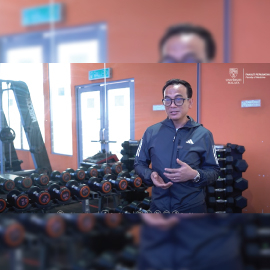
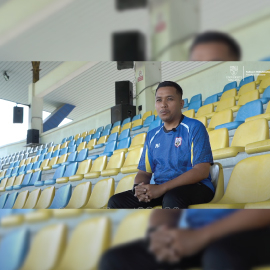
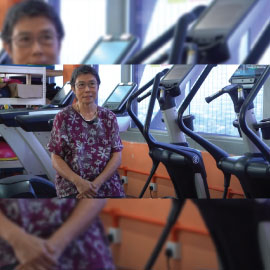
Inspiring Role Model of the Month – Arni Suzana Abu Seman
Inspiring Role Model of the Month – Zulkefly
Inspiring Role Model of the Month – Huzairie
Inspiring Role Model of the Month – Prof. Dr. Khairul Azmi Abd Kadir
Inspiring Role Model of the Month - Alief Muhaimin Asri
Inspiring Role Model of the Month - Prof. Dr. Christina Tan Phoay Lay
Pulang | Raya Aidilfitri 2025 Fakulti Perubatan Universiti Malaya
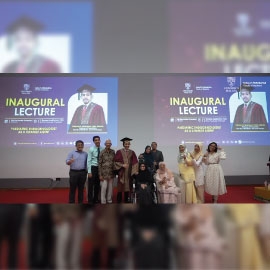
Majlis Syarahan Perdana Prof. Dr. Azlina Amir Abbas
ARCF Research Symposium 2025
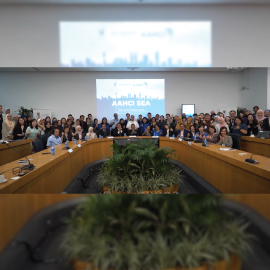
AAHCI Southeast Asia Regional Meeting 2025
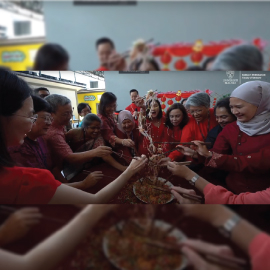
Majlis Sambutan Tahun Baru Cina FOM 2025
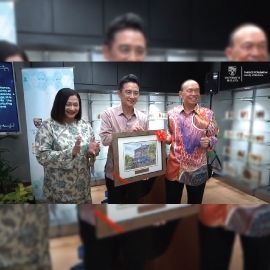
Opening Ceremony Tan Sri Dr. Lim Wee Chai Medical Museum
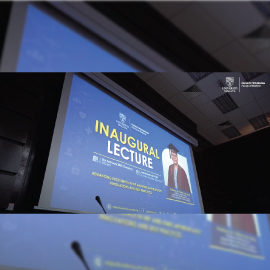
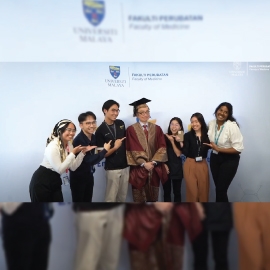
Inaugural Lecture by Professor Dr. Ong Teng Aik
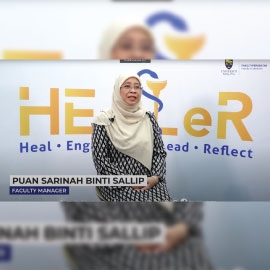
Faculty Spotlight: Voices of Leadership with Pn. Sarinah Salip
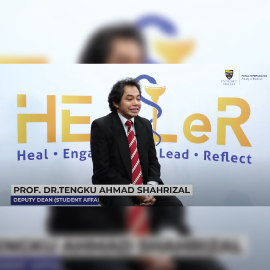
Faculty Spotlight: Voices of Leadership with Prof. Dr. Tengku Ahmad Shahrizal
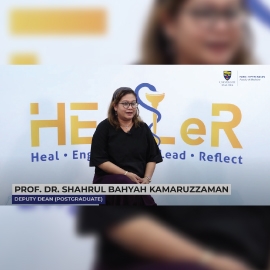
Faculty Spotlight: Voices of Leadership with Prof. Dr. Shahrul Bahyah Kamaruzzaman
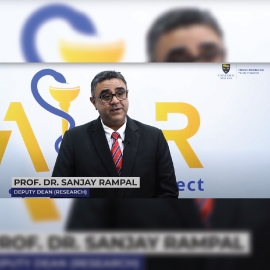
Faculty Spotlight: Voices of Leadership with Prof. Dr. Sanjay Rampal
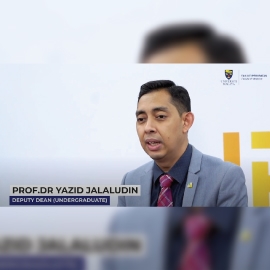
Faculty Spotlight: Voices of Leadership with Prof. Dr. Muhammad Yazid Jalaludin
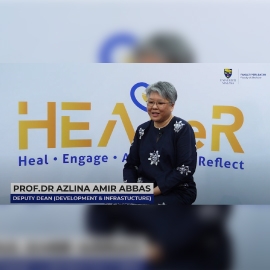
Faculty Spotlight: Voices of Leadership with Prof. Dr. Azlina Amir Abbas
Hari Sukan Rakyat FOM 2024
Inaugural Lecture by Professor Dr. Chan Wah Kheong
Green@UMHealth
Program Pengukuhan Pasukan Pejabat Dekan Fakulti Perubatan UM
Inaugural Lecture by Professor Dr. Muhammad Yazid Jalaludin
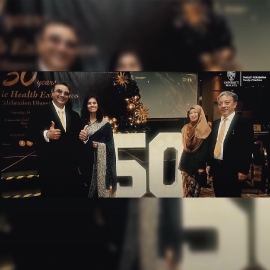
50 years Public Health Excellence Celebration Dinner 2024
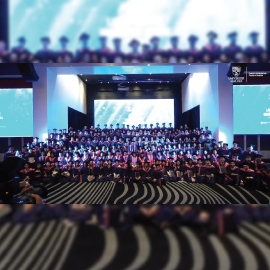
Majlis Lafaz Ikrar Graduan MBBS Sesi 2023/2024
Golden Years, Golden Care: Empowering Seniors and Caregivers
Majlis Sambutan Deepavali Fakulti Perubatan 2024
Inaugural Lecture by Professor Dr. Victor & Professor Dr. Sanjay
Inaugural Lecture by Professor Dr. Anushya Vijayananthan
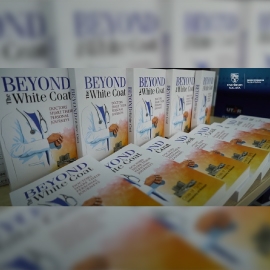
Book Launch Ceremony - Beyond The White Coat- Doctors Share Their Personal Journeys
67 Tahun Malaysia Merdeka | Fakulti Perubatan UM
Universiti Malaya International Nursing Conferences 2024
Inaugural Lecture by Professor Dr. Sajaratulnisah Othman
Inaugural Lecture by Professor Dr. Nazirah Hasnan
Majlis Penghargaan Kakitangan Fakulti Perubatan 2024
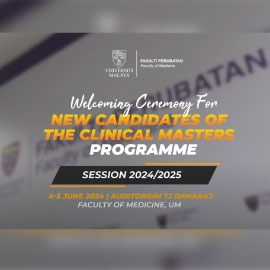
Welcoming Ceremony New Candidates of The Clinical Masters Programme | Session 2024/2025
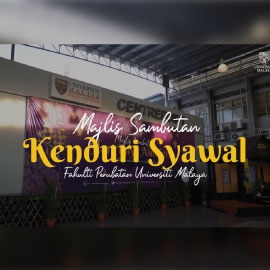
Majlis Sambutan Kenduri Syawal Fakulti Perubatan 2024
Faculty of Medicine Universiti Malaya